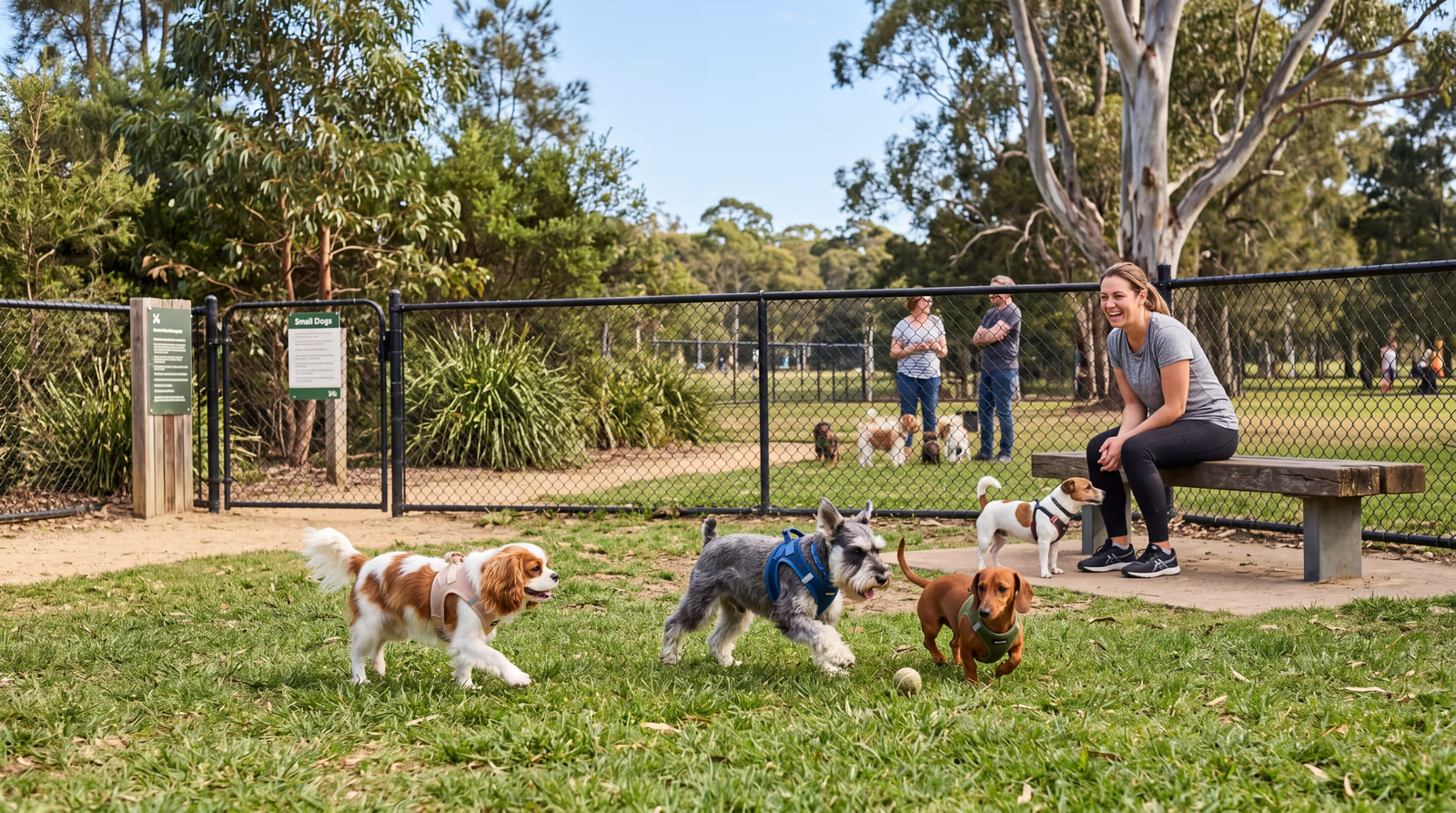
The Best Dog Parks for Small Dogs (2026): A Safe Owner's Guide
How to choose the best dog parks for small dogs — what to look for, small-dog areas, staying safe around bigger dogs, the best times to visit, and tips for nervous little dogs.
Small dogs love to run, sniff, and socialize just as much as big ones — but the off-leash world isn’t always built with them in mind. Finding the best dog parks for small dogs means knowing what to look for, where the risks lie, and how to set a little dog up to have fun safely. This guide covers exactly that: what makes a great small-dog park, how to keep your dog safe around larger ones, the best times to go, and how to build a nervous little dog’s confidence.
Looking for the right spot? Browse the directory and filter for fenced parks with small-dog areas, or open the live map to find one near you. If your local run isn’t listed yet, you can add it in seconds.
What Makes Good Dog Parks for Small Dogs
The best dog parks for small dogs share a few features that make all the difference:
- A separate, fully fenced small-dog area, where little dogs play without big, high-drive dogs in the mix — the single most important feature.
- Secure, double-gated fencing so a small dog can’t slip through gaps or bolt.
- Soft, grassy or even surfaces that are kinder on little legs than rough gravel.
- Plenty of open space and escape routes, so a small dog never feels cornered.
- A calmer overall crowd, which usually means quieter neighborhoods and off-peak hours.
If there’s no dedicated small-dog zone, the next best thing is a quiet, fully fenced park visited at off-peak times. The American Kennel Club’s guidance on small-dog safety and play reinforces the value of size-matched play. The right environment turns the park from a daunting place into a small dog’s favorite outing.
Are Dog Parks for Small Dogs Safe?
Dog parks can absolutely be safe for small dogs — with the right precautions. The two real risks are worth understanding. The first is simply getting bowled over in rough or oversized play, which can cause injury even when no aggression is involved. The second, rarer but serious, is predatory drift: a fast-moving, high-pitched small dog can occasionally trigger a larger dog’s chase-and-grab instinct, especially in a group. These risks are exactly why size-separated areas exist.
You manage them the same way every time: use the small-dog area where available, supervise closely, and don’t hesitate to pick your dog up and leave if play gets too rough or a big dog fixates on yours. Avoid the busiest peak hours when the park fills with large, high-energy dogs. With those habits, the AVMA’s general pet-safety principles apply and the real-world risk stays low — and the exercise and socialization payoff is well worth it.
Choosing Dog Parks for Small Dogs: Timing and Tactics
When you visit matters as much as where. The best dog parks for small dogs are calmest on weekday mornings and early afternoons, while weekend mid-mornings draw the biggest, busiest crowds. A few tactics:
- Scout first. Watch from outside the fence for a few minutes — if it’s all big, rowdy dogs, come back later.
- Use the small-dog side even if your confident little dog “could handle” the big side; it’s lower-risk for everyone.
- Stay mobile and keep your dog in sight rather than clustering with other owners.
- Avoid bringing toys or treats that spark guarding (see our dog park etiquette guide).
- Know your exit, so you can scoop and go calmly if needed — quietly, without shrieking, which can wind dogs up.
Picking the right time and the right zone removes most of the risk before you ever unclip the leash.
Building a Small Dog’s Confidence
Many small dogs are bold; some are understandably cautious in a world full of giants. Either way, confidence is built in small, successful steps. Start at quiet times in a calm, fenced space, keep first visits short and upbeat, and let your dog explore at their own pace rather than forcing greetings. Reward relaxed, brave behavior, and leave before your dog gets overwhelmed — ending on a good note is what builds a positive association.
If your dog is genuinely fearful, don’t flood them with a busy park; a one-on-one playdate with a known gentle dog, or our step-by-step guide to introducing a dog to a dog park, is a kinder path. For shy or reactive dogs, patience pays off far better than pressure. A small dog who’s had only positive, well-managed experiences becomes a happy, social park regular.
Small Breeds and the Dog Park: What to Know
Small dogs are a wonderfully varied bunch, and temperament matters more than the number on the scale. Bold, sturdy little breeds — many terriers, schnauzers, pugs, and French bulldogs — often hold their own happily, provided play is well-matched and supervised. More delicate or naturally timid breeds — chihuahuas, Italian greyhounds, toy poodles, papillons, and tiny teacup varieties — benefit most from a dedicated small-dog area and a calmer crowd, since an accidental collision with a big dog carries more risk for a four-pound dog than a forty-pound one.
A few breed-aware notes help. High-prey-drive little dogs that bolt and squeal can inadvertently invite chasing, so a calmer setting suits them. Brachycephalic (flat-faced) breeds like pugs and French bulldogs overheat and tire fast, so keep their sessions short and cool. And fragile-boned breeds like Italian greyhounds are best kept to grass and gentle playmates. None of this means your small dog can’t enjoy the park — it just means matching the environment to the individual dog.
Red Flags: When to Scoop and Leave
The most important skill for a small-dog owner is knowing when to calmly pick your dog up and go. Leave — without drama — if you see any of these:
- A larger dog fixating on your small dog, stalking, or repeatedly chasing it
- Play that’s all one-way: your dog being chased or pinned without a break
- A pack of dogs ganging up or crowding your dog
- Your dog hiding behind you, trembling, or trying to escape
- An owner who isn’t watching a big, pushy dog
- Rough, oversized play where your dog could get bowled over
Scoop calmly and confidently rather than shrieking or yanking, which can spike everyone’s arousal (holding a small dog overhead can sometimes excite a jumping big dog, so a calm, low, turn-and-walk exit is often best). There’s never any shame in leaving early — a single frightening pile-on can dent a little dog’s confidence for months, while a string of calm, positive visits builds a happy, social park regular.
A Pre-Visit Checklist for Small-Dog Owners
A little preparation makes a small dog’s park trip safer and more fun. Run through this before you go:
- Pick the right park and time. A fenced park with a small-dog area, visited at a quiet hour, beats a big open park at peak time every time. Use the map to find one with a dedicated small-dog zone.
- Scout before you enter. Watch from outside the fence — if the small-dog side is calm and the dogs look friendly, go in; if it’s all big, rowdy dogs, come back later.
- Pack smart. Fresh water and a bowl, plenty of waste bags, a flat collar with current ID and tags, and a leash for entering and leaving. Skip toys and treats that spark guarding.
- Use the small-dog side. Even if your confident little dog “could handle” the big-dog area, the size-separated zone is lower-risk for everyone.
- Stay close and attentive. Keep your dog in sight, watch the play, and don’t cluster with other owners and tune out.
- Know your calm exit. Decide in advance that you’ll quietly scoop and leave if a big dog fixates or play turns rough — no drama, no shrieking.
The theme is the same one that runs through every good small-dog park visit: set the odds in your favor before you unclip the leash. Choosing the right environment and being ready to leave removes nearly all the risk, leaving a little dog free to do what little dogs love — sniff, trot, and play with friends their own size. A handful of calm, positive outings is all it takes to turn the park into the highlight of your small dog’s week.
Frequently asked questions
What makes a good dog park for small dogs?
The best dog parks for small dogs have a separate, fully fenced small-dog area, quieter crowds, soft grassy surfaces, and plenty of escape routes so a little dog never feels cornered. If there’s no dedicated small-dog zone, choose a quiet, fully fenced park and visit at off-peak times when fewer large dogs are around.
Are dog parks safe for small dogs?
They can be, with care. The main risks are small dogs being bowled over in rough play or, rarely, triggering a larger dog’s chase instinct. Use small-dog areas where available, supervise closely, pick your dog up and leave if play gets too rough, and avoid busy peak times with lots of big, high-drive dogs.
Should small dogs play with big dogs?
Well-matched play between a gentle big dog and a confident small dog can be lovely, but it needs close supervision. Size mismatches can turn dangerous quickly, especially with high-energy chasing. When in doubt, keep small dogs with similar-sized playmates or in a dedicated small-dog area.
How do I build my small dog’s confidence at the park?
Start at quiet times in a calm, fenced space, keep first visits short and positive, and let your dog explore at their own pace. Don’t force interactions, reward brave, relaxed behavior, and leave before your dog gets overwhelmed. Confidence is built in small, successful steps.
Find the right park for your little dog
The best dog parks for small dogs aren’t about size — they’re about smart choices: a fenced small-dog area, a calmer crowd, the right timing, and an owner ready to scoop and go if play gets rough. Get those right and a little dog gets all the joy of off-leash play with none of the unnecessary risk. Start quiet, keep it positive, and let your small dog discover that the park is one of the best parts of the week. With the right park, the right timing, and an attentive owner, even the tiniest dog can have a big, joyful off-leash life.
Find a small-dog-friendly park near you on Dog Park Finder USA →, with fencing status, photos, and reviews, or open the live map to find the closest one right now.
Compare nearby dog parks before you leave
Open the directory to check fenced status, reviews, photos, map distance, and local park details across the USA.
Keep reading
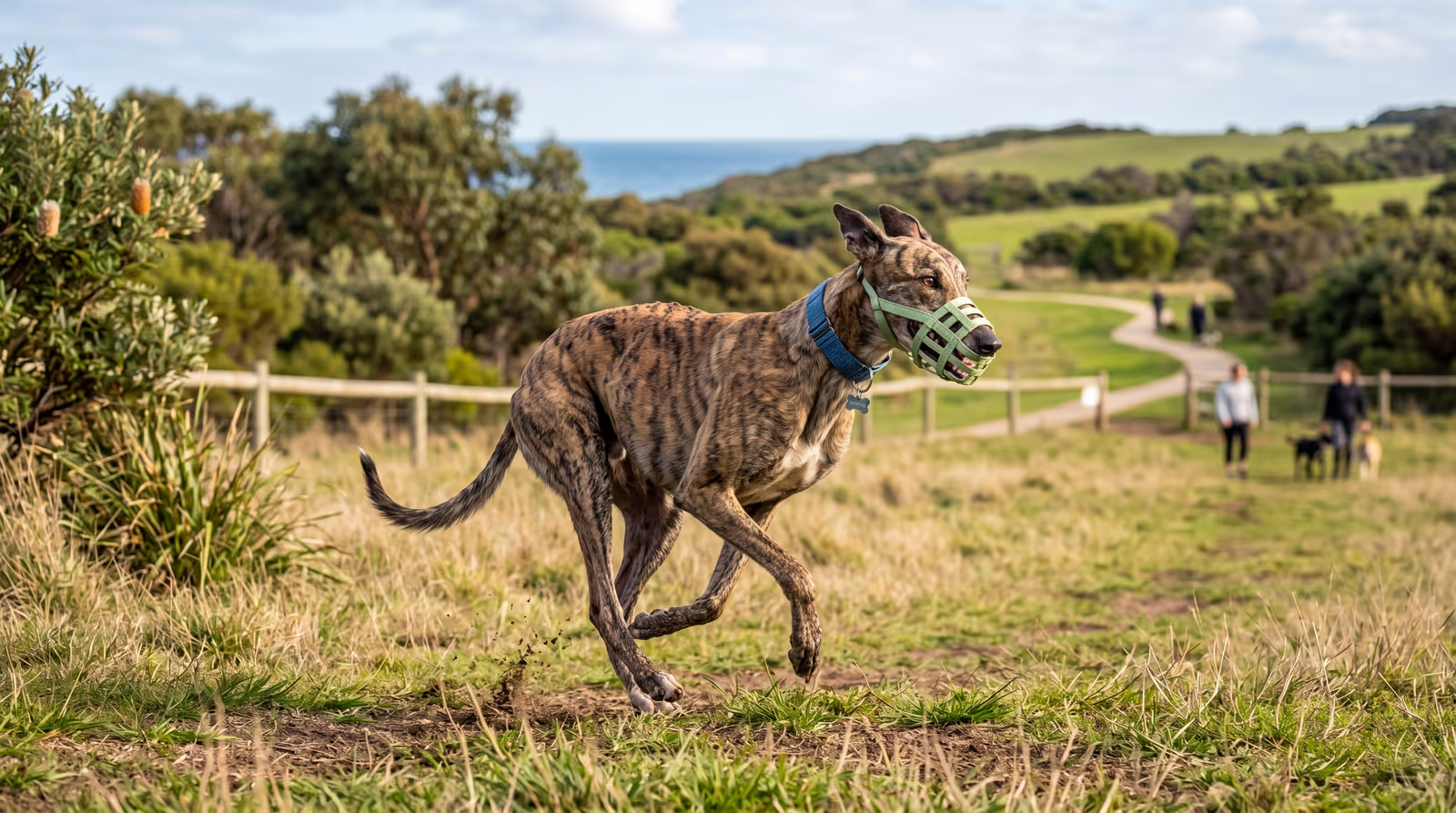
Off-Leash for Greyhounds in the USA (2026): Rules, Recall and Safety
A guide to off-leash life for greyhounds in the US, muzzles and leash laws, whether greyhounds can go to dog parks, managing prey drive and recall, and safer options.
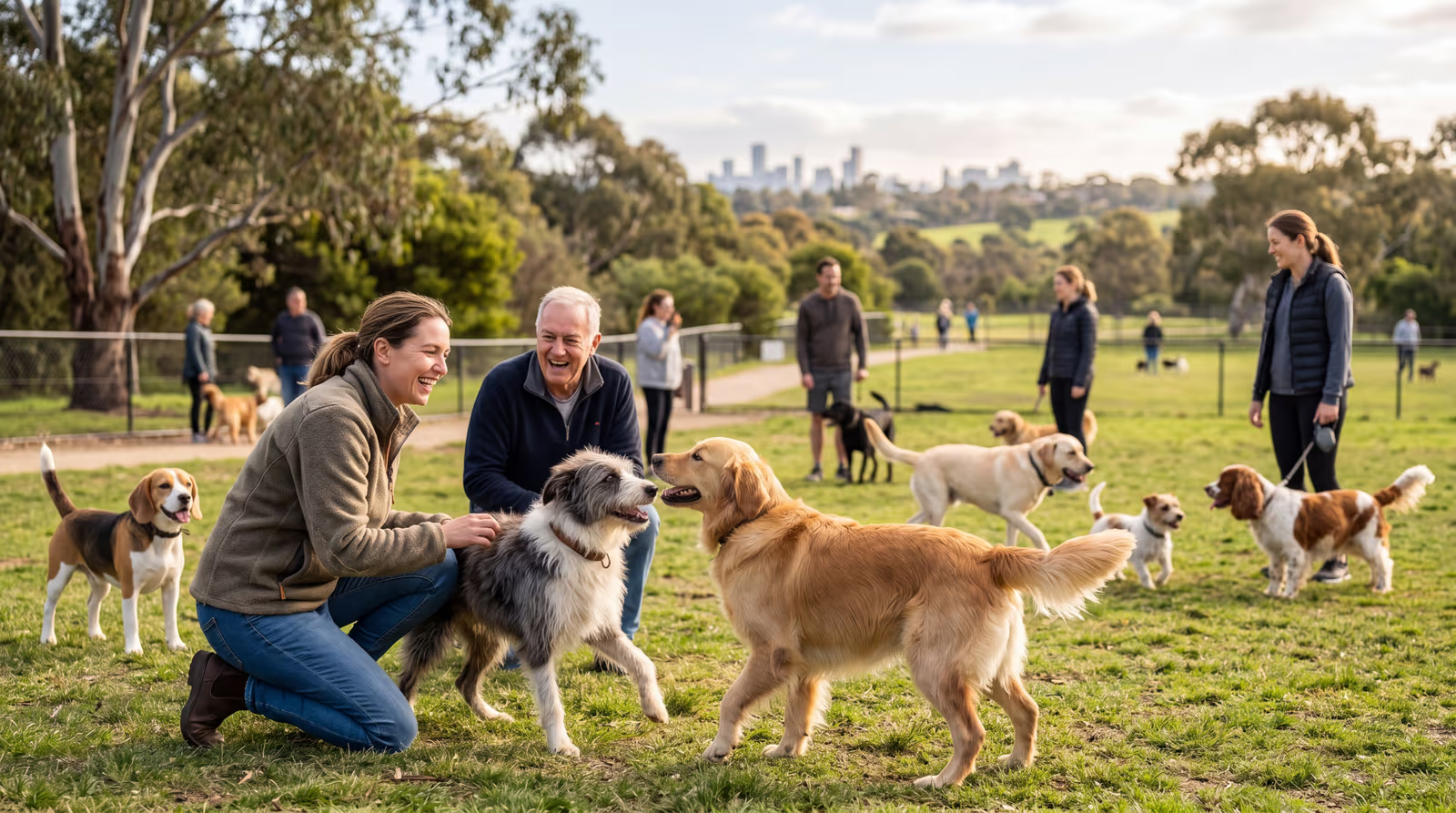
Dog Park Mental Health: Benefits for Dogs and Owners (2026)
How dog parks benefit mental health — for dogs through enrichment and socialization, and for owners through exercise, social connection, routine, and the human-dog bond.
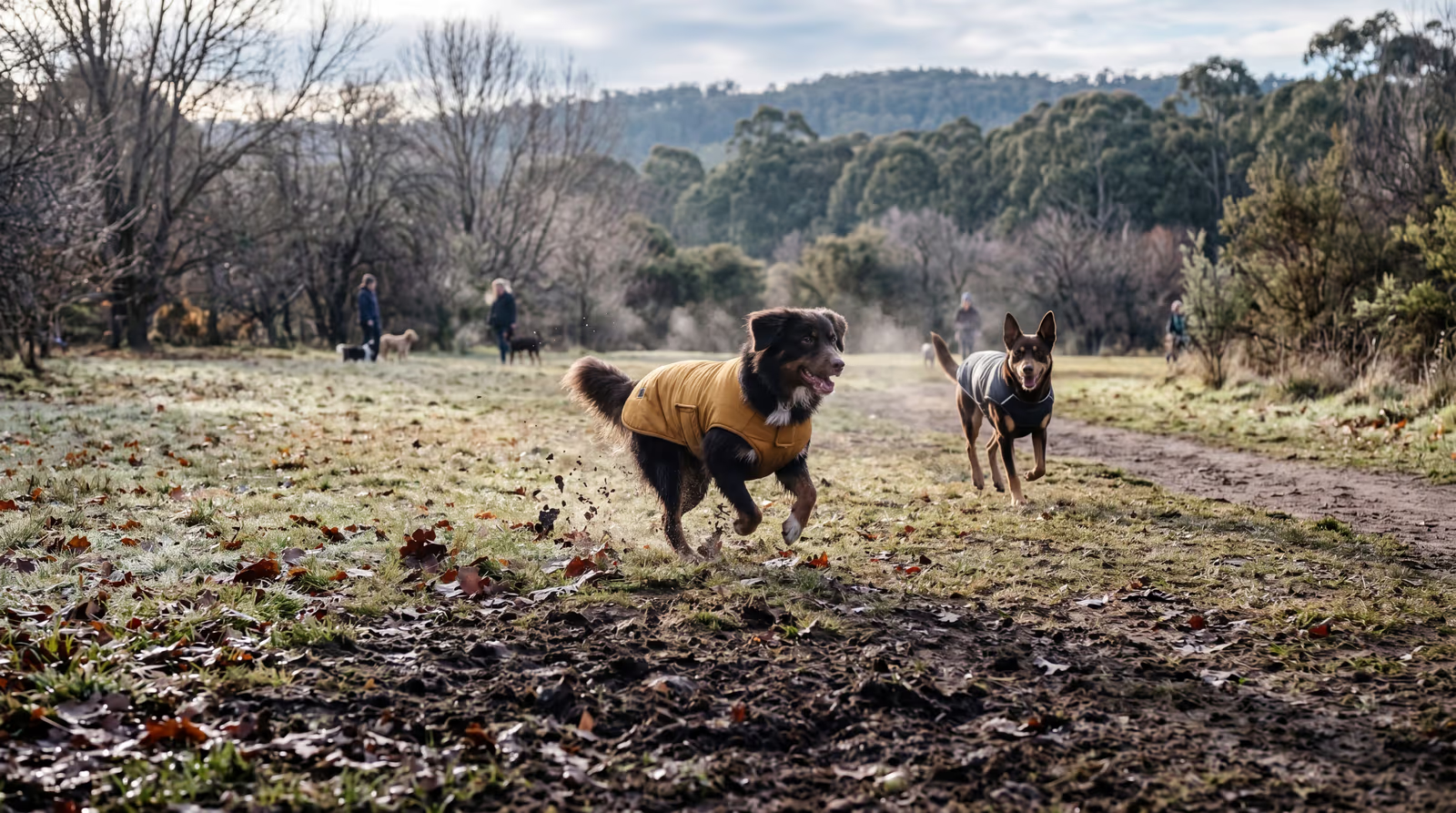
Dog Parks in Winter (2026): Keeping Your Dog Active in the Cold
A guide to dog parks in winter, why to keep visiting, cold-weather safety for paws and coats, handling mud and short days, what to bring, and warm indoor alternatives.