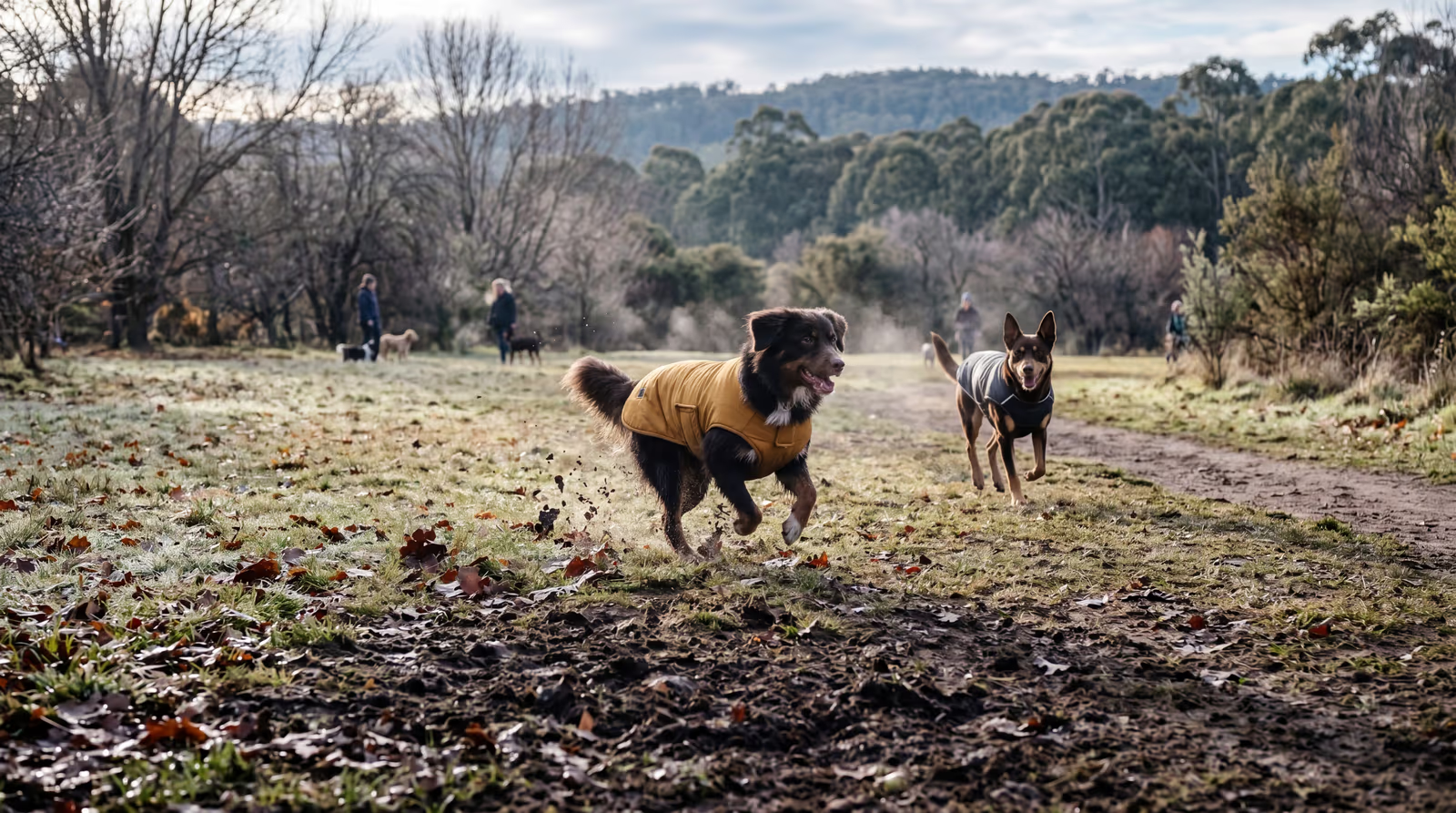
Dog Parks in Winter (2026): Keeping Your Dog Active in the Cold
A guide to dog parks in winter, why to keep visiting, cold-weather safety for paws and coats, handling mud and short days, what to bring, and warm indoor alternatives.
When the temperature drops and the days get short, it’s tempting to skip the dog park and wait for spring — but dog parks in winter offer some of the best sessions of the year, and most dogs relish a crisp, cool romp. Staying active through the colder months keeps your dog fit, prevents the boredom and restlessness of being cooped up indoors, and lifts everyone’s spirits during the gloomy stretch of the year. With a few sensible adjustments for the cold, the mud and the early sunsets, the dog park can stay a year-round joy. This guide covers how to get the best out of dog parks in winter — keeping your dog happy, warm and safe all season long.
Looking for somewhere to go? Browse the directory to find a park near you, or open the live map.
Why winter walks matter
It’s easy to let exercise slide in winter, but a dog’s need for activity doesn’t hibernate. Without their usual outlets, dogs can become restless, under-stimulated and prone to the very behaviors, chewing, barking, general mischief, that a good run would prevent. Keeping up regular park visits maintains fitness and a healthy weight (helpful when the cooler months and richer comfort food can add a few kilos), and the mental stimulation of getting out into the world is just as valuable in July as it is in January. For many dogs, a brisk winter session is actually more enjoyable than a sweltering summer one, they can run flat out without overheating, and the cooler ground is kind on their paws.
There’s a benefit for owners, too. Getting outside, moving and seeing other people at the park does wonders for our own winter mood, and a tired, contented dog makes the long evenings at home far more peaceful.
Cold-weather care for your dog
The main adjustment in winter is paying attention to the cold, and how much it affects your particular dog. Thick double-coated breeds are built for it and often adore the chill, but short-coated breeds, small dogs, puppies, seniors and unwell dogs feel it keenly. For these dogs, a well-fitted coat can make a cold, wet visit genuinely more comfortable, and keeping the session a little shorter prevents them getting chilled. Watch for the signs that your dog has had enough of the cold, shivering, hunching their body, lifting their paws off the ground, whining or slowing right down, and warm them up and head home if you see them.
Paws need a little extra thought too. Cold, wet and rough winter ground can leave pads dry or cracked, and in frosty areas, ice can be uncomfortable. Check your dog’s paws after a walk, and a towel-dry of feet and belly when you get home keeps them comfortable. Most dogs don’t need booties, but for a sensitive or very small dog in harsh conditions, they can help.
Dealing with mud and the elements
Winter parks mean mud, and there’s no avoiding it entirely, so it’s best to be prepared rather than annoyed. Keep an old towel or two in the car for wiping down muddy paws, legs and bellies, along with a mat or blanket to protect the back seat. When you get home, a quick rinse of muddy paws prevents the irritation that caked-on mud can cause, and it’s a good moment to check between the toes for packed mud and the grass seeds that can lurk there. Choosing parks with good drainage or some sealed paths can keep things more manageable on the wettest days, and there’s something to be said for embracing it, most dogs are blissfully happy filthy, and a bath is a small price for a joyful run.
Rain and wind are usually fine for a healthy dog, but use common sense in genuinely severe weather. A light shower won’t hurt anyone, but driving rain, gale-force wind or icy conditions are a reasonable cue to keep the visit short or swap to something indoors.
The short-days challenge
One of winter’s real practical hurdles is the loss of daylight, which can squeeze park visits into a narrow window around work. If you’re walking in the dark at either end of the day, visibility becomes a safety issue: a light-up collar or a clip-on LED for your dog, plus reflective or high-vis gear for you, makes you both far easier to see, which matters near roads and car parks. Sticking to well-lit, familiar parks after dark is wise, and keeping your dog a little closer when you can’t see far ahead is sensible too. A good recall and a torch round out the kit for the dark months.
Warm indoor alternatives
On the bitterest, wettest days, it’s perfectly fine to give the park a miss and keep your dog stimulated indoors instead. Mental enrichment is a winter secret weapon, food puzzles, snuffle mats, scent games and short training sessions tire a dog out beautifully without anyone getting cold and muddy. A game of indoor fetch down a hallway, a tug session, or a chew to settle with all help burn energy and pass a dreary afternoon. Mixing these into your winter routine means your dog stays content even when the weather makes a park trip unappealing.
Frequently asked questions
Is it safe to take my dog to the park in winter?
Yes, for most healthy dogs winter park visits are great exercise and a welcome break from being cooped up. Take extra care with short-coated breeds, puppies, seniors and small dogs, who feel the cold more, a coat, a shorter visit and a towel-dry afterward keep them comfortable. Watch for shivering and don’t linger in freezing conditions.
Do dogs get cold at the dog park in winter?
Some do, especially thin-coated, small, young, old or unwell dogs, while thick double-coated breeds often love the cold. Signs your dog is too cold include shivering, hunching, lifting paws off the ground, whining and slowing down. If you see these, it’s time to warm up and head home.
Should my dog wear a coat to the dog park?
A well-fitted coat helps short-coated, small, senior or unwell dogs stay comfortable in cold, wet weather, but most thick-coated breeds don’t need one and may overheat in it. Judge it by your individual dog, if they shiver and hunch in the cold, a coat is a kindness; if they’re built for it, let them go bare.
How do I deal with a muddy dog park in winter?
Bring an old towel (or two) for paws and belly, keep a mat or blanket in the car, and rinse muddy paws when you get home to prevent irritation. Choosing parks with good drainage or sealed paths helps, and checking between the toes for packed mud and grass seeds keeps your dog comfortable.
Embrace the winter park
Winter is no reason to put your dog’s social life and exercise on hold. With a coat for the dogs who need one, a towel for the mud, some lights for the dark, and a few warm indoor games for the worst days, your dog can stay fit, happy and well-socialized right through the cold season, and there’s a real magic to a crisp, cool morning at the park with a delighted dog. Wrap up, embrace the mud, and keep charging through winter.
Find a winter-friendly park near you on DogParkFinder →, with facilities and reviews, or open the live map. For the flip side of the year, see our summer safety guide.
Compare nearby dog parks before you leave
Open the directory to check fenced status, reviews, photos, map distance, and local park details across the USA.
Keep reading
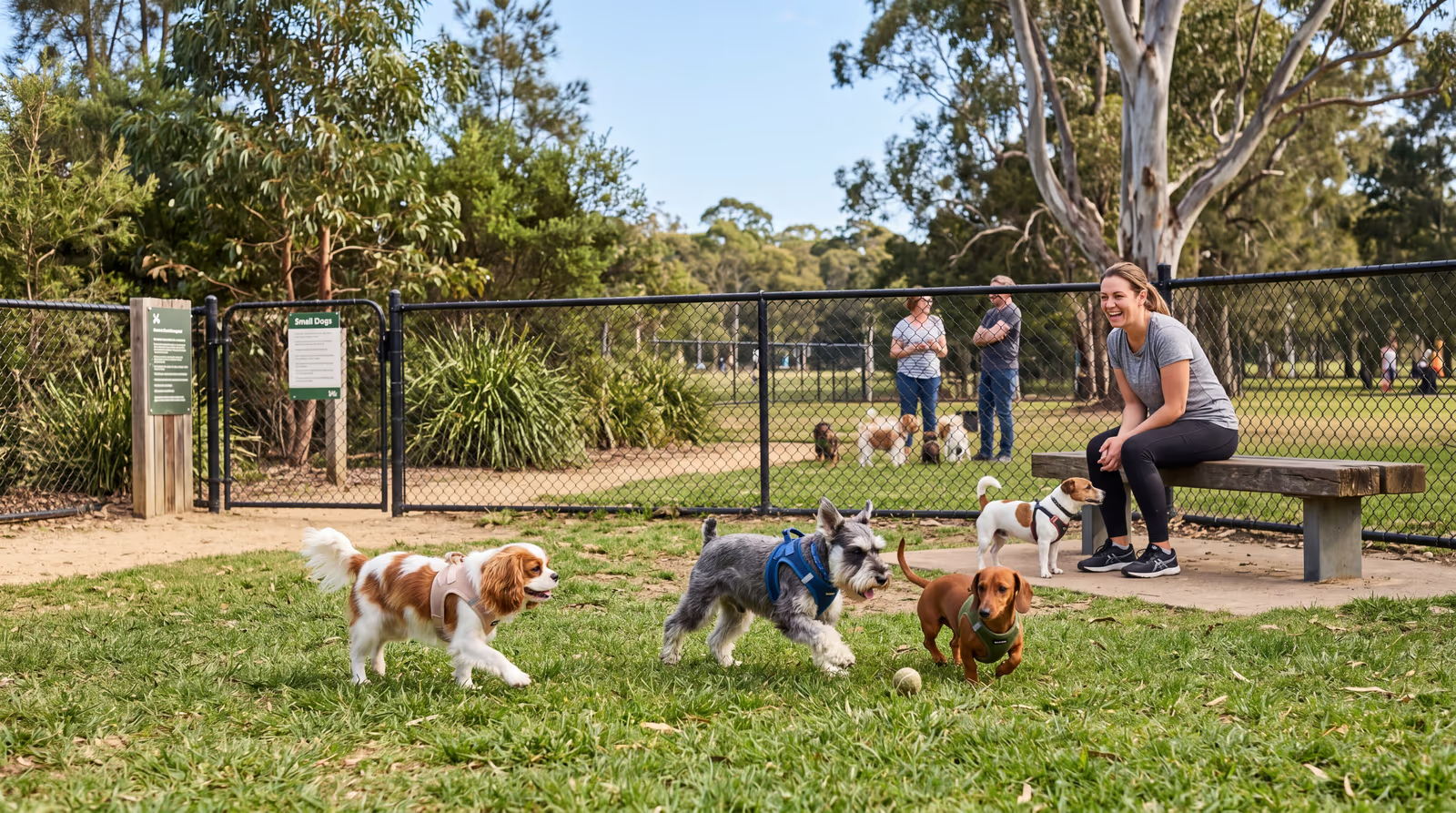
The Best Dog Parks for Small Dogs (2026): A Safe Owner's Guide
How to choose the best dog parks for small dogs — what to look for, small-dog areas, staying safe around bigger dogs, the best times to visit, and tips for nervous little dogs.
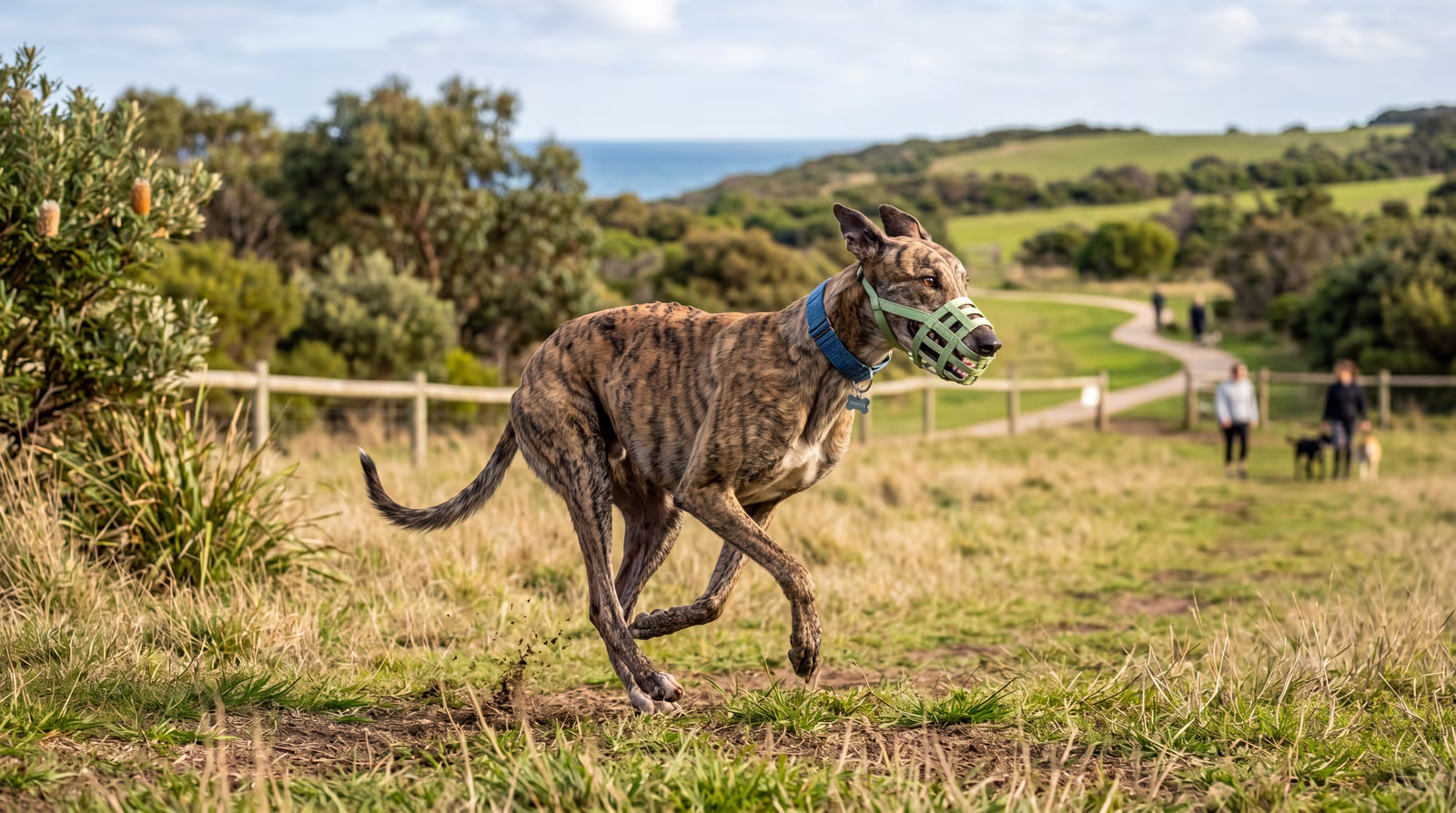
Off-Leash for Greyhounds in the USA (2026): Rules, Recall and Safety
A guide to off-leash life for greyhounds in the US, muzzles and leash laws, whether greyhounds can go to dog parks, managing prey drive and recall, and safer options.
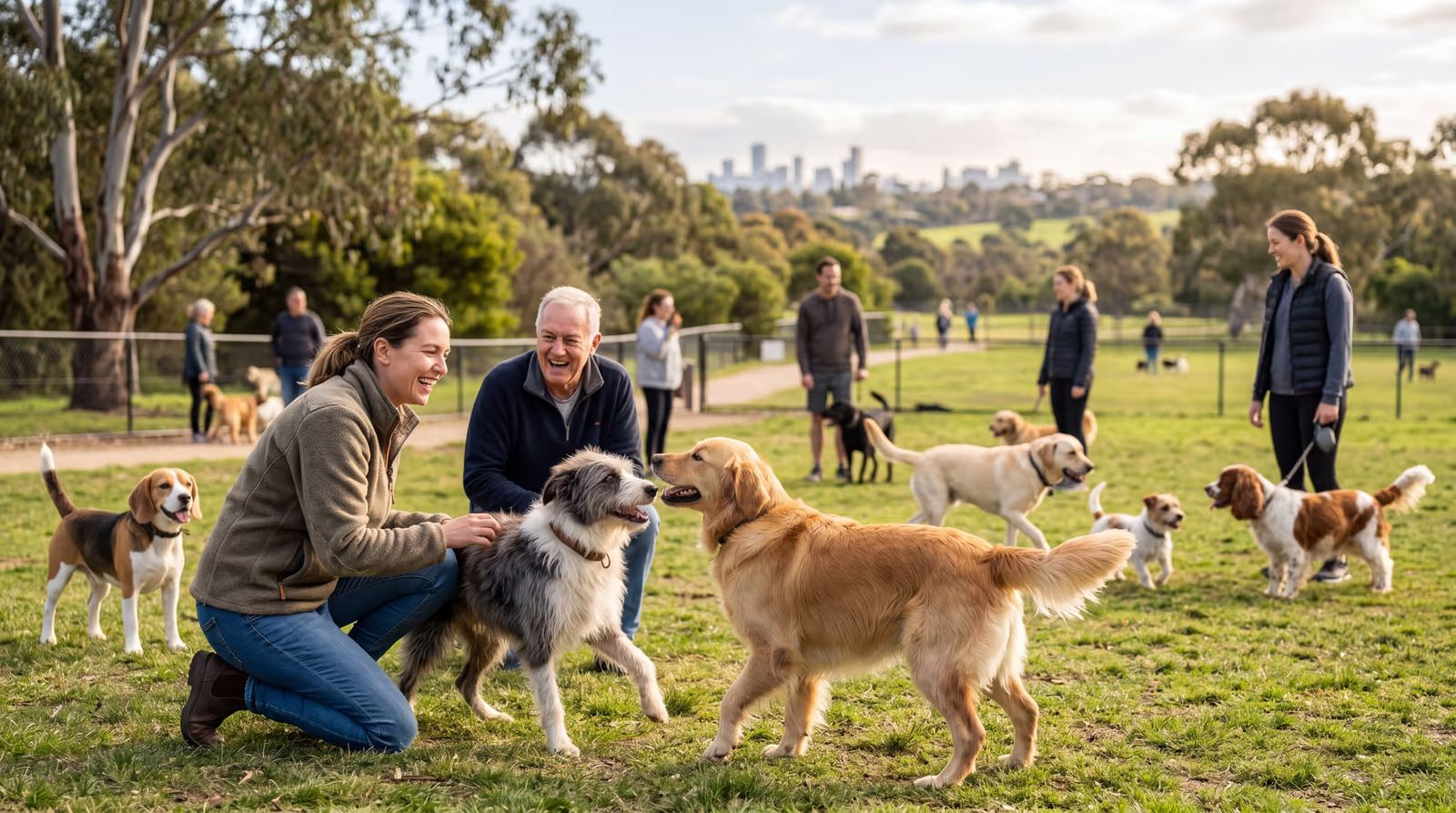
Dog Park Mental Health: Benefits for Dogs and Owners (2026)
How dog parks benefit mental health — for dogs through enrichment and socialization, and for owners through exercise, social connection, routine, and the human-dog bond.