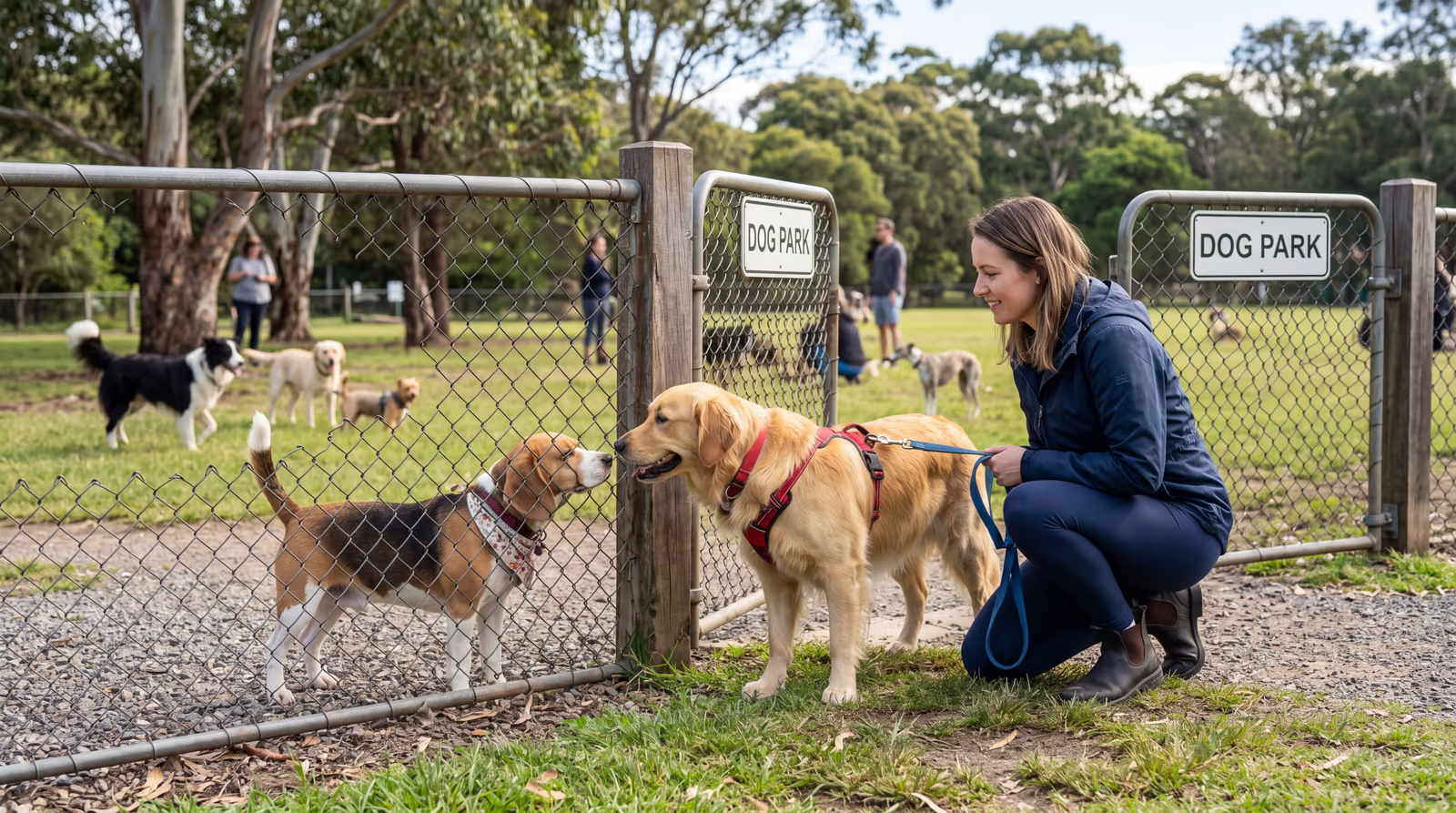
How to Introduce Your Dog to the Dog Park (2026): A Step-by-Step Guide
A step-by-step guide to introducing your dog to the dog park, how to prepare, manage the first visit, read the play, handle problems, and build a confident park dog.
Taking your dog to the dog park for the first time is exciting, but knowing how to introduce a dog to the dog park properly makes all the difference between a dog who grows to love the park and one who learns to dread it. A good first experience sets the tone for years of happy off-leash adventures, while a chaotic or frightening one can create problems that take months to undo. The encouraging news is that a great introduction is mostly about going slowly, choosing the right conditions, and paying attention, and this guide will walk you through exactly how to do it.
Before you start, it helps to have the right park in mind. Browse the directory to find a calm, fenced option near you, or open the live map to see what’s close.
Before you go: setting your dog up to succeed
Preparation begins well before you arrive at the gate. The first thing to check is that your dog is genuinely ready. They should be fully vaccinated and up to date on parasite prevention, since a shared off-leash space carries some health risk for an unprotected dog. They should also be reasonably comfortable around other dogs already, the dog park is a place to enjoy and maintain social skills, not the place to fix a dog who is fearful or reactive. If that describes your dog, it’s worth reading our guide to reactive dogs and dog parks first and starting somewhere gentler.
The single most valuable thing you can prepare is a reliable recall. Being able to call your dog back to you, even mildly distracted, is what keeps them safe in an open space and lets you step in before any situation escalates. If your recall is shaky, spend a couple of weeks practicing it in a quieter environment, ideally a fully fenced park where there’s a safety net, before you tackle a busy one. Bring some high-value treats along too, because a tasty reward makes recall far more compelling than whatever else is going on.
Choosing the right first park matters just as much as choosing the right day and time. A smaller, calmer neighborhood park is a far kinder introduction than a huge, busy regional one, and a quiet weekday morning is gentler than the chaotic after-work rush. If you can find a fenced park that’s nearly empty for those first visits, you’ve given your dog the best possible start.
Arriving and managing the gate
The entrance is the most charged part of any dog park, because it’s where dogs cluster to greet new arrivals, and that crowd of excited bodies can overwhelm a newcomer in seconds. So rather than walking straight in, take a moment outside the fence to let your dog observe what’s happening and settle their nerves. Watching from a few meters away lets them take in the sights, sounds and smells without being mobbed.
When you do go in, keep things calm and brief at the gate. Bring your dog through, then keep moving into the open space rather than lingering by the entrance. A useful trick for the very first visit is to walk a slow lap of the perimeter on-leash before you unclip, which lets your dog read the lay of the land, find the exits, and get used to the other dogs from the relative security of being beside you. Once they seem relaxed and the play looks friendly, you can unclip the lead and let them join in.
It’s worth being deliberate about that lead. In a designated off-leash area, your dog should be off-lead once you’re in, a leashed dog among off-leash dogs can feel trapped and on the defensive, and the lead itself can tangle and create tension. So the rhythm is: lead on for the walk in and the settling lap, lead off once you’re in the zone and your dog is calm.
The first visit: keep it short and positive
The golden rule for a first visit is to keep it short. Ten or fifteen minutes of good experience is worth far more than an hour that drags on until your dog is over-aroused or has a frightening encounter. You want your dog to leave the park wanting more, not exhausted and rattled. Watch how they’re coping throughout, reward calm and friendly behavior, and call it a day while things are still going well.
During those first minutes, let your dog set the pace of their social interactions. Some dogs dive straight into play; others prefer to potter around the edges, sniffing and watching, before they feel brave enough to engage. Both are completely normal, and neither should be forced. If another dog comes over for a greeting, allow a brief sniff and then encourage everyone to move along, long, intense, frozen greetings are where tension builds. The goal is loose, easy, take-it-or-leave-it socializing, not a forced friendship.
Reading the play
Learning to read canine body language is the skill that will serve you at every future visit, and it’s worth starting to develop it from day one. Healthy play is loose, bouncy and reciprocal: dogs take turns chasing and being chased, they pause and shake off, they bow to invite more, and their bodies stay wiggly and relaxed. This is exactly what you want to see, and you can happily let it continue.
The warning signs are worth knowing just as well. Stiff, frozen bodies, hard staring, raised hackles, one dog repeatedly pinning or chasing another that’s trying to escape, or your own dog tucking their tail, flattening their ears and trying to hide behind you, these all mean it’s time to intervene. The intervention is gentle: cheerfully call your dog away for a break and create some distance, rather than shouting or grabbing collars in the middle of things. Our dog park etiquette guide goes deeper on reading the play and stepping in well.
Building from there
Assuming the first visit goes well, the path forward is simply more of the same, gradually increasing the time and, eventually, branching out to slightly busier parks or times as your dog’s confidence grows. Consistency helps enormously, regular short, positive visits build a relaxed, well-socialized park dog far more effectively than occasional marathon sessions. Keep rewarding that good recall, keep ending on a high note, and keep choosing conditions your dog can handle, and you’ll find their confidence snowballs.
If a visit ever goes badly, a scary encounter, an over-the-top crowd, a dog who simply isn’t coping that day, don’t push through it. Calmly leave, give it a few days, and try again under easier conditions. One rough session won’t undo your progress as long as you don’t force your dog to stay in a situation they can’t manage. Reading your dog and advocating for them is the whole job.
Troubleshooting common first-visit problems
A few situations come up again and again. If your dog is too scared to engage, retreat to a quieter corner, let them watch from a safe distance, reward any flicker of calm curiosity, and keep the session very short, confidence is built in small, successful steps, not big leaps. If your dog gets over-excited and won’t listen, that’s a sign they’re over their threshold; calmly leash up, take a breather outside the gate, and work on shorter sessions and recall. And if your dog is the one playing too rough, it’s your job to interrupt and give the other dogs a break, rather than assuming everyone will sort it out. None of these mean your dog has failed, they’re just feedback about what to adjust next time.
Frequently asked questions
How do I introduce my dog to the dog park for the first time?
Pick a quiet time at a calm, fenced park, walk the perimeter on-leash first so your dog can settle and read the environment, then let them off the lead once they seem relaxed. Keep the first visit short, watch the play closely, reward calm behavior, and leave on a positive note before your dog gets overwhelmed.
How long should my dog’s first dog park visit be?
Keep it short, ten to fifteen minutes is plenty for a first visit. A brief, positive experience builds confidence far better than a long session that ends in over-arousal or a scary moment. You can always build up the time over future visits as your dog grows comfortable.
What if my dog is scared at the dog park?
Don’t force it. Move to a quieter area, give your dog space, and let them watch from a distance where they feel safe. Reward any calm, curious behavior, keep the session very short, and try again another day. If fear persists, a fenced park visited solo or a session with a trainer is a gentler path.
Should my dog be on or off the lead at the dog park?
In the designated off-leash area, dogs should be off-lead, a lead in a crowd of off-leash dogs can actually cause tension and tangles, and can make a dog feel trapped. Keep the lead on for the walk in, take a settling lap, then unclip once you’re in the off-leash zone and your dog is calm.
Set the tone for a lifetime of fun
A calm, well-judged introduction is one of the best gifts you can give your dog, because it turns the park into a place of joy rather than stress. Go slowly, choose easy conditions, keep early visits short and positive, learn to read the play, and always be willing to leave if your dog needs you to. Do that, and you’ll build a confident, happy park dog who looks forward to every visit.
When you’re ready, find a calm, fenced park near you on DogParkFinder →, with off-leash zones, fencing status, photos and reviews, or open the live map.
Compare nearby dog parks before you leave
Open the directory to check fenced status, reviews, photos, map distance, and local park details across the USA.
Keep reading
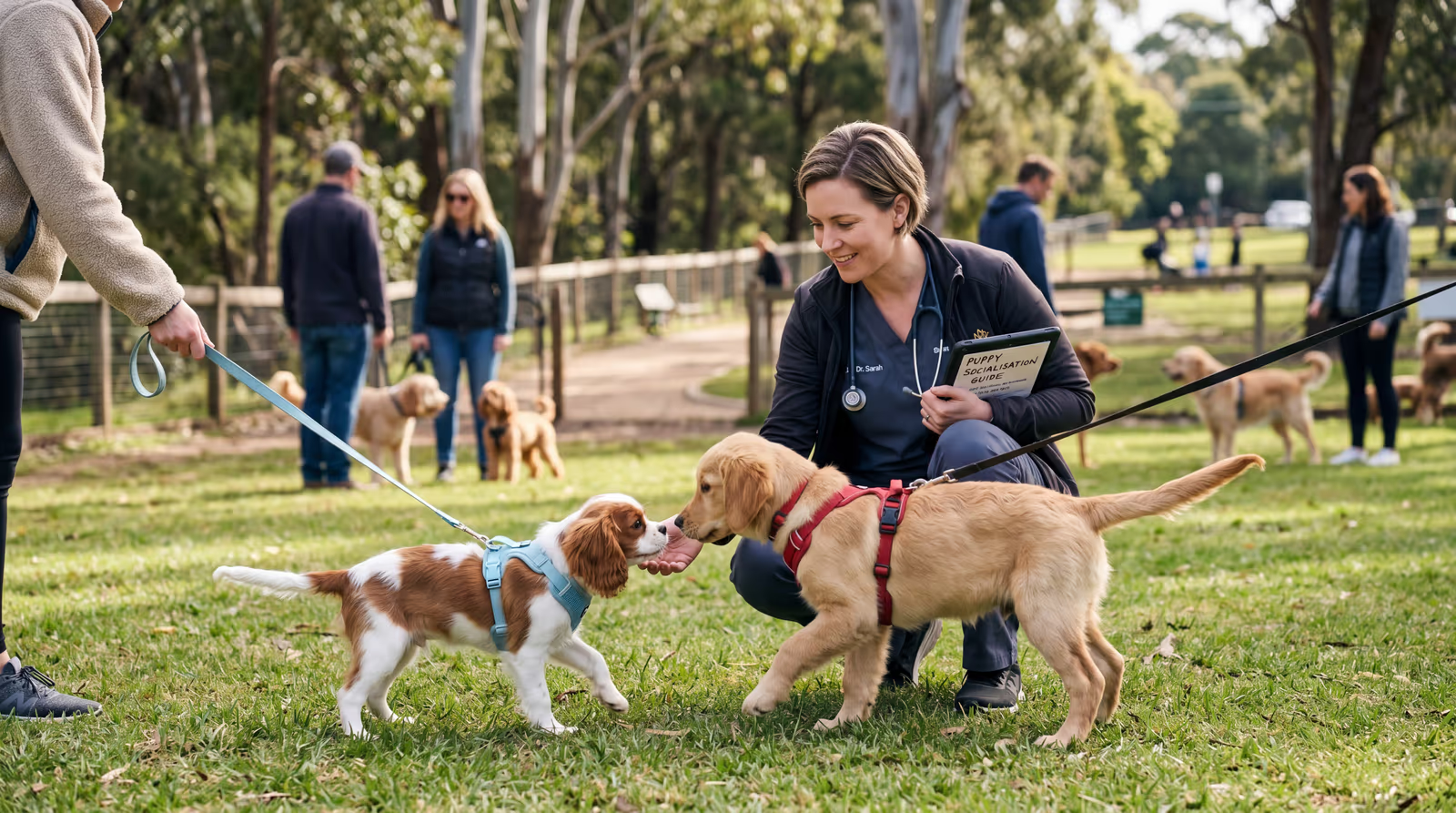
Puppy Socialization at Dog Parks (2026): When and How to Start Safely
A vet-informed guide to puppy socialization at dog parks, when it's safe to go, why it matters, how to introduce your puppy, and the mistakes that can backfire.
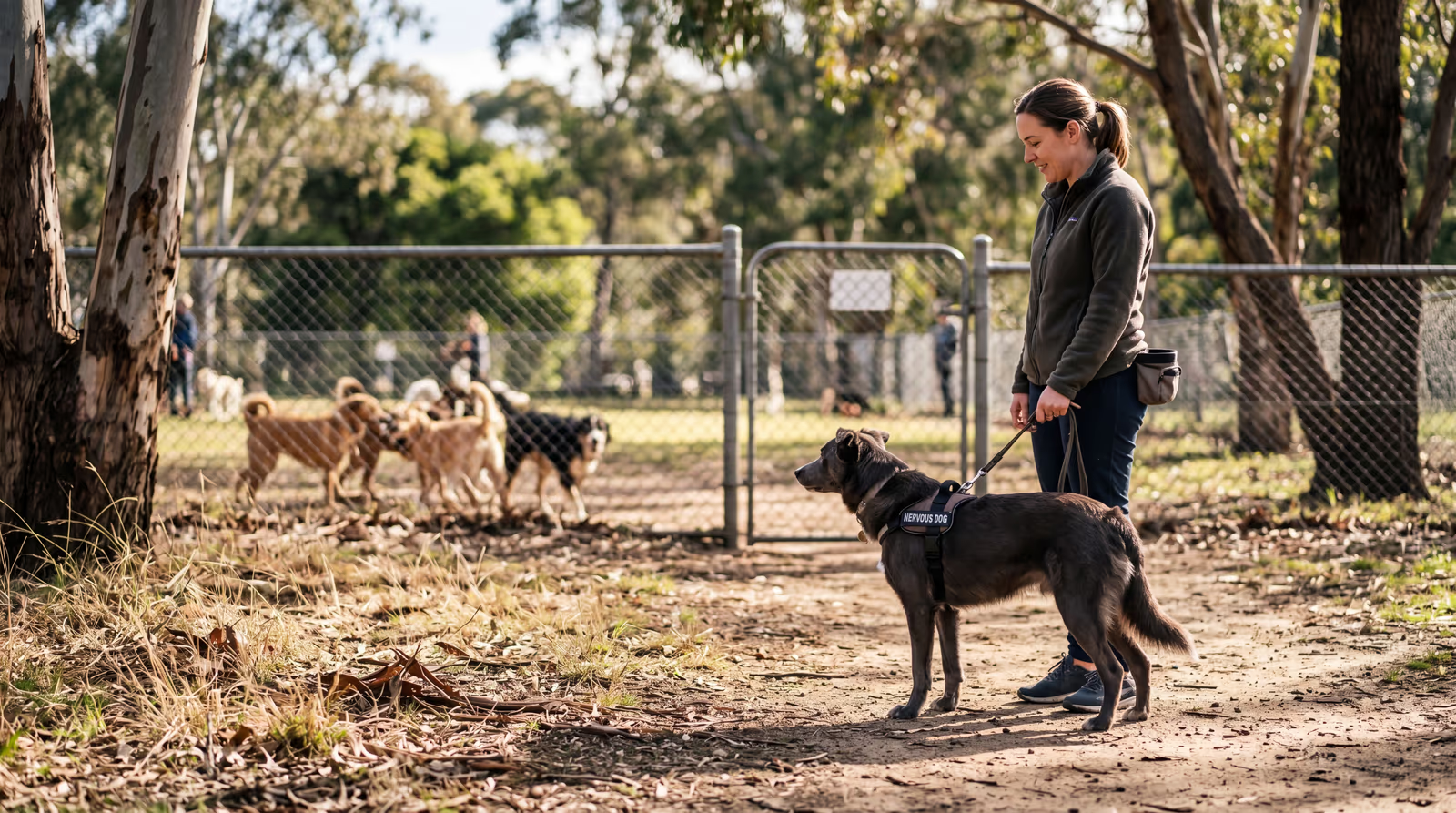
Reactive Dogs and Dog Parks (2026): A Realistic, Kind Guide
A realistic guide to reactive dogs and dog parks, whether to go, safer alternatives, how to manage a reactive dog, and how to rebuild confidence the right way.
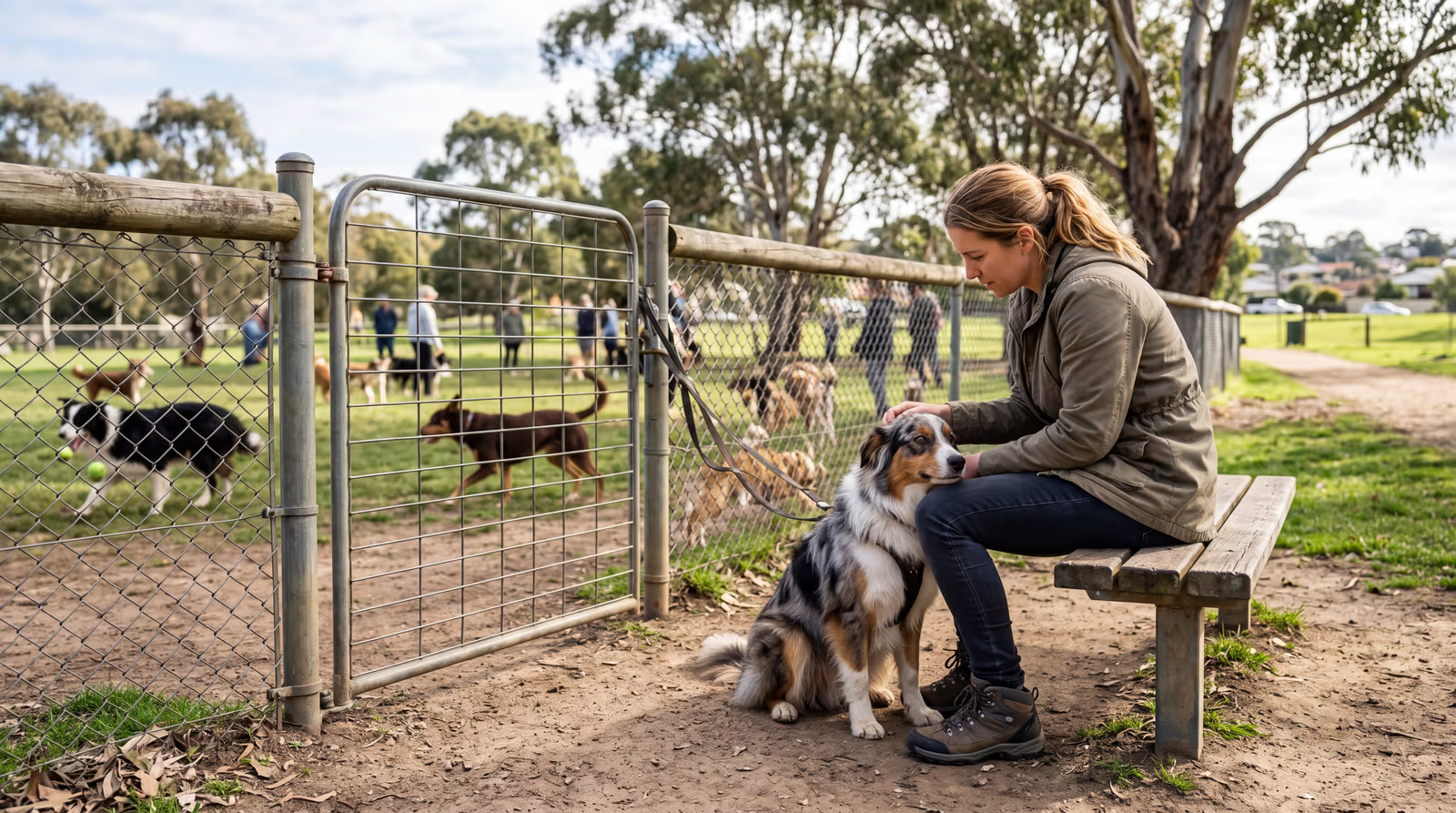
Separation Anxiety in Dogs and Dog Parks (2026): Can Exercise Help?
A guide to separation anxiety in dogs and the role of dog parks, how exercise and enrichment help, what they can't fix, building independence, and when to get help.