Reactive Dogs and Dog Parks (2026): A Realistic, Kind Guide
A realistic guide to reactive dogs and dog parks, whether to go, safer alternatives, how to manage a reactive dog, and how to rebuild confidence the right way.
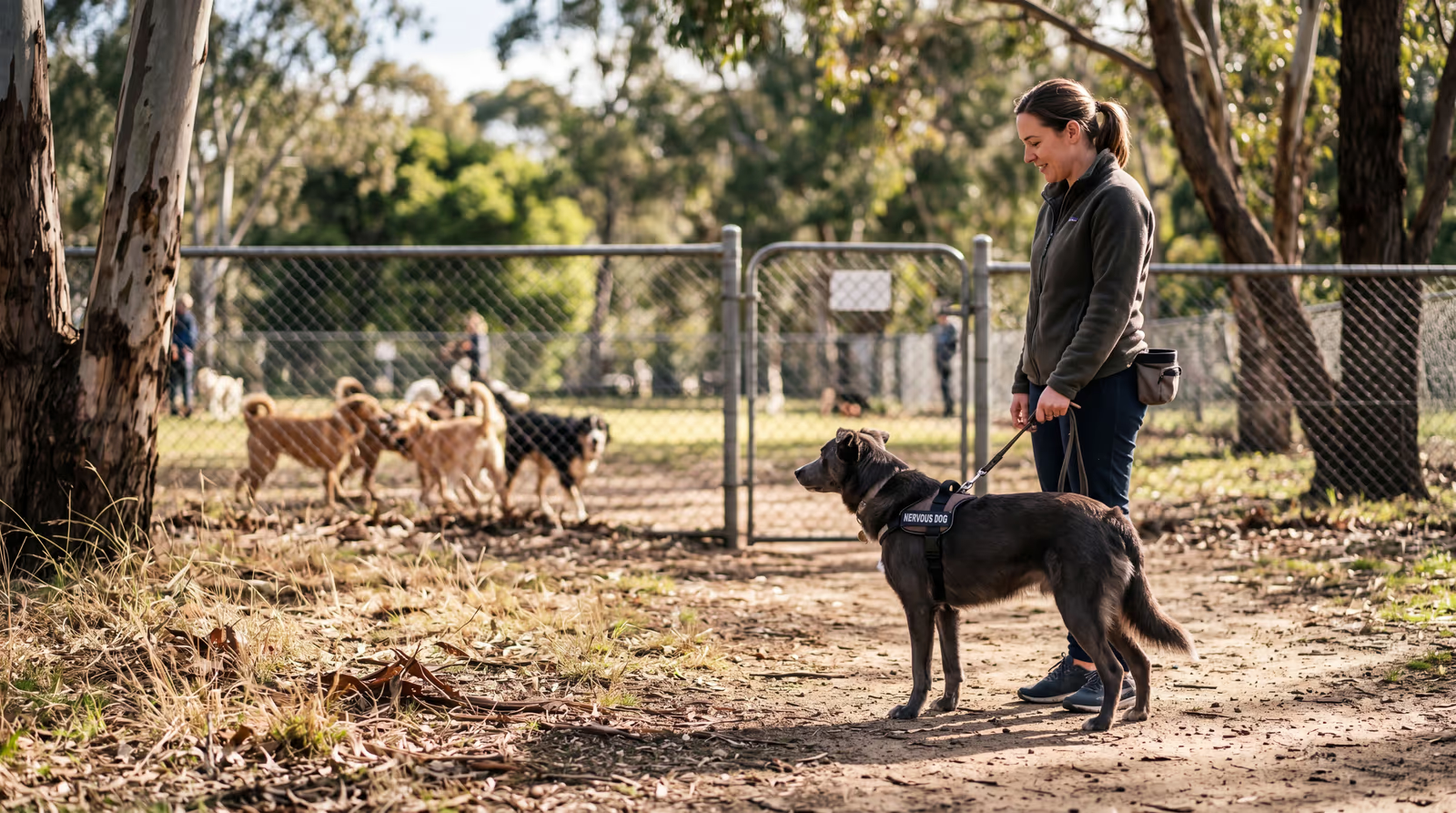
If you have a reactive dog, the standard advice to “just take them to the dog park to socialize” can be some of the worst you’ll ever receive. For reactive dogs, a busy off-leash dog park usually makes things worse, not better — barking, lunging or panicking around other dogs isn’t solved by more exposure. This kind, realistic guide explains what reactivity is, whether the dog park is ever appropriate, the better alternatives, and how to rebuild your dog’s confidence the right way.
First, take heart: a reactive dog is not a bad dog, and you are not a bad owner. Reactivity is common, manageable, and often improvable with patience.
What is reactivity?
Reactivity is an over-the-top response to a trigger, most often other dogs, but sometimes people, bikes, cars or sudden movement. It can look like barking, lunging, growling, spinning or freezing. Crucially, it’s usually driven by fear, frustration or over-arousal, not by a desire to do harm. A frustrated dog who desperately wants to greet, a fearful dog who wants distance, and an over-aroused dog who can’t cope can all look “reactive”.
Understanding the why behind your dog’s reactivity is the first step to helping them, because the management looks different for a frustrated greeter than for a fearful dog.
Should a reactive dog go to the dog park?
For most reactive dogs, the honest answer is: not a busy off-leash park, and not as a starting point. Here’s why. A crowded park is unpredictable and impossible to control, dogs rush the gate, charge over uninvited, and play loudly. That environment pushes a reactive dog over their stress threshold, where no learning can happen, and every over-threshold experience tends to rehearse and strengthen the reactive behavior.
In other words, throwing a reactive dog into the deep end usually confirms their worst fears rather than curing them. The “they’ll sort it out” approach can genuinely set a dog back.
That doesn’t mean off-leash freedom is off the table forever, it just means starting somewhere you can control.
Better alternatives that actually help
These give your dog exercise, enrichment and gradual exposure without the flooding:
- Solo fenced-park sessions. Visit a fully fenced park when it’s empty, so your dog can run safely off-leash with no triggers. Some areas even let you book private dog parks by the hour.
- Decompression walks. Long, sniffy walks in quiet, low-traffic places let your dog unwind and use their nose, which is naturally calming.
- Sniffaris. Slow walks where your dog leads and sniffs to their heart’s content, wonderful for lowering stress.
- Structured playdates. One calm, known, dog-savvy friend in a controlled space beats a chaotic crowd every time.
- At-home enrichment. Snuffle mats, food puzzles, scent games and training sessions tire the brain beautifully.
If you do visit a park: managing it well
If and when you do introduce a park, do it gradually and on your terms:
- Choose the quietest possible park and time, early weekday mornings, empty fenced areas.
- Work at a distance. Let your dog observe other dogs from far enough away that they stay calm and can take treats. Slowly decrease the distance over many sessions.
- Keep sessions short and end before your dog tips over threshold.
- Reward calm. Pair the sight of other dogs with great treats so your dog starts to feel good about them.
- Have an exit plan. Always be ready to calmly increase distance or leave. Never trap your dog in a situation they can’t handle.
- Learn the body language in our dog park etiquette guide so you can spot rising stress early.
Understanding your dog’s threshold
The single most useful concept for any reactive-dog owner is threshold, the point at which your dog tips from “noticing” a trigger to “reacting” to it. Below threshold, your dog can see another dog, stay relatively calm, take a treat and learn. Over threshold, they’re flooded with stress hormones, can’t think, and simply rehearse the barking and lunging.
Almost all good reactive-dog work happens below threshold. That usually means more distance than you’d expect, sometimes the width of a whole park. The art is finding the distance where your dog notices the trigger but can still eat, focus on you and relax, then rewarding heavily at that distance before gradually, over many sessions, closing the gap.
Distance isn’t the only factor. Your dog’s threshold shifts with how tired, hungry, sore or stressed they are, how intense the trigger is (a calm dog walking past is easier than a bouncy one charging the fence), and how many triggers are stacking up at once. This last point, called trigger stacking, is why a dog who coped yesterday might blow up today, the stresses add up. On a bad day, it’s completely fine to turn around and go home.
What your dog’s reactivity is telling you
Reading the type of reactivity helps you respond well:
- Fear-based dogs want distance. Forcing them closer makes it worse; creating space and building positive associations from afar helps.
- Frustrated greeters desperately want to say hello and boil over when they can’t. They often do better with structured, calm introductions than with being held back on a tight lead.
- Over-aroused dogs simply can’t regulate their excitement. They benefit from calm, decompression and learning to settle, rather than more high-octane stimulation.
Knowing which one you have changes everything about your plan, and a good trainer can help you tell the difference.
When to get professional help
If your dog’s reactivity is severe, escalating, or involves a bite history, please work with a qualified, reward-based trainer or a veterinary behaviorist. Reactivity is a recognized, treatable issue, and the right professional can give you a tailored plan and a great deal of relief. There’s no shame in it, it’s the responsible, loving thing to do.
Frequently asked questions
Should a reactive dog go to the dog park?
Usually not to a busy off-leash park, at least not at first. Crowded, unpredictable spaces tend to push a reactive dog over threshold and reinforce the very behavior you want to reduce. Quieter alternatives, a fenced park visited solo, decompression walks, or work with a trainer, are almost always a better starting point.
What does it mean when a dog is reactive?
Reactivity is an over-the-top response to a trigger, often other dogs, people or movement, that can look like barking, lunging, growling or freezing. It’s usually rooted in fear, frustration or over-arousal rather than aggression, and it can be improved with patient, positive training and good management.
Can a reactive dog be cured?
Many reactive dogs improve dramatically with the right management and training, and some become reliably relaxed around their triggers. Others always need a bit of distance and structure. The goal is a happier, calmer dog you can manage confidently, not necessarily a dog who loves crowded parks.
What are alternatives to the dog park for a reactive dog?
Great alternatives include solo visits to a fully fenced park, quiet decompression walks, sniffaris, structured playdates with one calm, known dog, and enrichment at home. These give your dog exercise and stimulation without the flooding that a busy park causes.
A kinder path forward
Helping a reactive dog isn’t about forcing them to love the dog park, it’s about understanding them, managing their environment, and building confidence at a pace they can handle. Start with calm, controlled alternatives, work below threshold, and get professional help if you need it. Most reactive dogs can live happy, well-exercised lives; they just need a thoughtful owner, which you clearly are.
When you’re ready for a quiet, controlled space, find a fully fenced park near you on DogParkFinder →, visit when it’s empty for a safe solo run, or open the live map.
Compare nearby dog parks before you leave
Open the directory to check fenced status, reviews, photos, map distance, and local park details across the USA.
Keep reading
Puppy Socialization at Dog Parks (2026): When and How to Start Safely
A vet-informed guide to puppy socialization at dog parks, when it's safe to go, why it matters, how to introduce your puppy, and the mistakes that can backfire.
How to Introduce Your Dog to the Dog Park (2026): A Step-by-Step Guide
A step-by-step guide to introducing your dog to the dog park, how to prepare, manage the first visit, read the play, handle problems, and build a confident park dog.
Separation Anxiety in Dogs and Dog Parks (2026): Can Exercise Help?
A guide to separation anxiety in dogs and the role of dog parks, how exercise and enrichment help, what they can't fix, building independence, and when to get help.