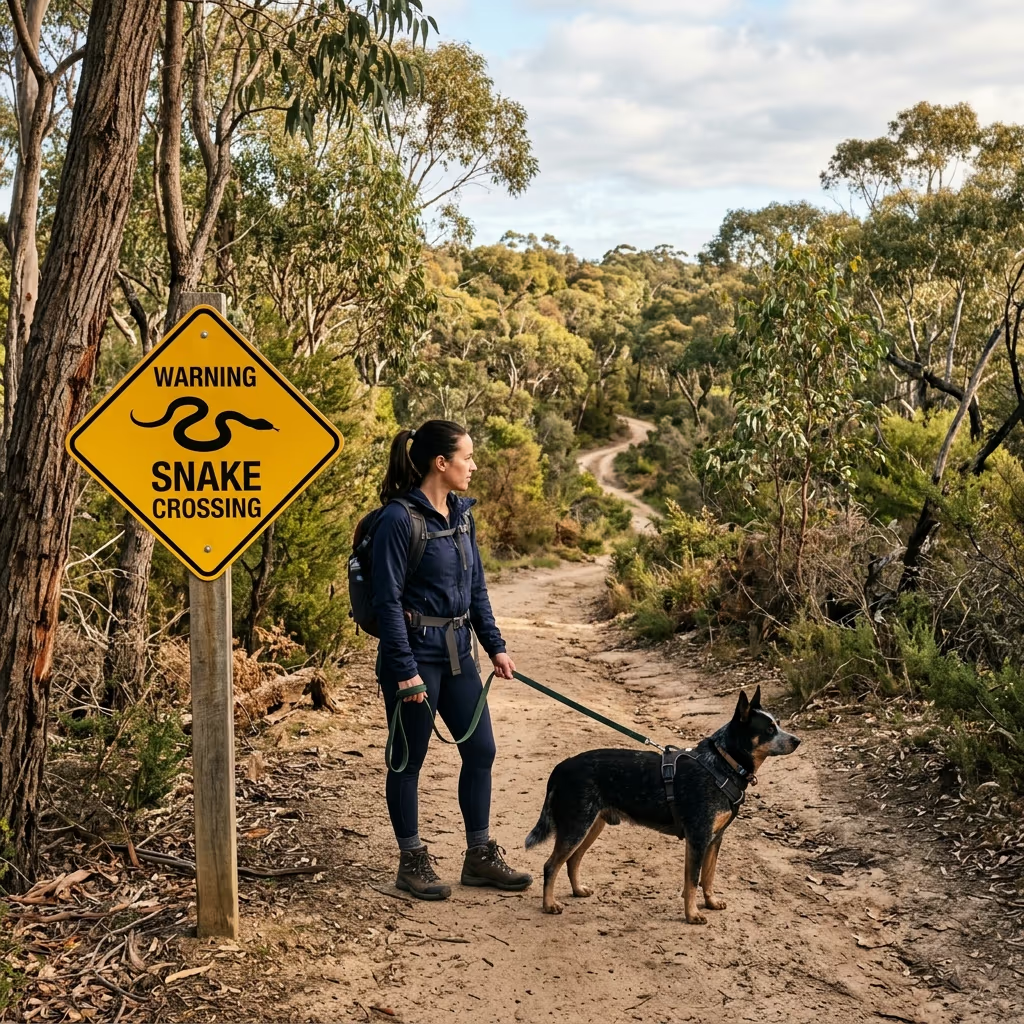
Snake Safety for Dogs at US Parks (2026): A Survival Guide
A guide to snake safety for dogs at US parks, where and when rattlesnakes and other snakes are active, how to avoid them, the signs of a snake bite, and what to do.
Much of the US is rattlesnake country, and for dogs — who explore nose-first and love to investigate anything that moves — an encounter can be deadly. Snake bites are a real risk at parks and on trails, particularly those bordering brush, rocks, or water, and they spike during the warmer months. The good news is that with awareness, sensible habits, and a clear emergency plan, you can dramatically reduce the risk and act fast if the worst happens. This guide covers snake safety for dogs: where and when snakes are active, how to keep your dog safe at parks and on trails, and exactly what to do if your dog is bitten.
Planning a visit? Browse the directory to find a park near you, or open the live map, and stay snake-aware in the warmer months.
When and where snakes are a risk
Snakes are cold-blooded, so their activity is driven by temperature. They’re most active from spring through fall, basking and hunting on warm days, and far less active in the cold of winter (though they can emerge on warm winter days in the South and Southwest). On hot days, you may encounter them as they move between sun and shade, and warm mornings and evenings can be particularly active times. Knowing this seasonal pattern helps you ramp up your caution exactly when it matters most.
Just as important is knowing where snakes shelter. They favor tall grass, brush, leaf litter, rock piles, woodpiles, and the edges of creeks, ponds, and wetlands — precisely the kinds of features that make a park interesting to a curious dog. Parks that border open space, desert, or natural areas carry more risk than a manicured city field, and water edges are a classic spot. The snakes most often involved in dog bites are the pit vipers: rattlesnakes (found across much of the country), copperheads (the East and South), and cottonmouths / water moccasins (Southeast wetlands), plus the smaller but highly venomous coral snake in the Southeast. All can deliver a dangerous bite.
How to keep your dog safe
The most effective strategy is simply to keep your dog out of snake habitat. Stick to open, mowed paths and discourage your dog from plunging into tall grass, brush, or rock piles, especially during snake season. This is where a reliable recall becomes genuinely life-saving: being able to call your dog back instantly means you can pull them away from anything suspicious before they get close enough to be bitten. If your recall needs work, snake season is a powerful reason to prioritize it, ideally practicing in a fenced park first.
Beyond that, a few habits help. Visit in the cooler parts of the day during hot weather, when snakes are less likely to be out. Stay alert and scan ahead when you’re walking near water, rocks, or brushy areas, since spotting a snake first lets you steer your dog well clear. Keep your dog close rather than letting them range far ahead out of sight in high-risk terrain. And if you do see a snake, calmly recall your dog, put them on the leash, and give the snake a very wide berth — never let your dog approach, and never try to chase the snake away yourself.
It’s also worth knowing about two extra layers for dogs in serious snake country. Rattlesnake-avoidance training teaches dogs to recognize and steer clear of the smell, sound, and sight of rattlesnakes, and is widely available in the West and Southwest. There’s also a rattlesnake vaccine that may buy time before treatment for some dogs — ask your vet whether it makes sense where you live. Neither replaces vigilance, but both can help.
Recognizing a snake bite
Snake bites on dogs are often not witnessed — the dog dashes into the grass, yelps or simply carries on, and the owner doesn’t realize anything has happened until symptoms appear. That’s why recognizing the signs is so important. A rattlesnake bite often brings rapid, painful swelling around the bite, puncture marks, and bleeding, followed by weakness, drooling, trembling, vomiting, dilated pupils, and rapid or labored breathing. Bites to the face and legs are most common.
Any sudden collapse, severe swelling, or unexplained weakness in a dog who’s been in snake territory should be treated as a possible bite and a genuine emergency. Don’t wait to “see if it gets better” — venom effects can worsen quickly.
What to do if your dog is bitten
If you suspect a snake bite, every second and every bit of calm counts. Keep your dog as still and quiet as possible, because movement pumps venom around the body faster — carry your dog to the car rather than letting them walk if you can. Get to a vet (or the nearest emergency animal hospital) immediately, and call ahead so they can prepare, since antivenom and supportive care need to be ready the moment you arrive. With prompt treatment, the large majority of dogs survive rattlesnake bites, so speed truly is the difference-maker.
There are also things you should not do. Don’t try to catch, kill, or identify the snake up close — it’s dangerous to you, and vets can treat a pit-viper bite without knowing the exact species. Don’t cut the wound, apply a tourniquet, try to suck out venom, or use ice — all are ineffective and harmful. Your only jobs are to keep your dog calm and still, and to get to the vet as fast as safely possible.
Frequently asked questions
How do I keep my dog safe from snakes at the park?
Stick to open, mowed paths and keep your dog away from tall grass, brush, rocks, and water edges where snakes shelter, especially in the warmer months. A reliable recall is your best tool, so you can call your dog back from anything suspicious. Stay alert in known rattlesnake country and visit in the cooler parts of the day.
What are the signs of a snake bite in dogs?
Signs can include sudden swelling and pain at the bite, puncture marks, bleeding, weakness or collapse, drooling, trembling, vomiting, dilated pupils, and rapid breathing. Rattlesnake bites often swell fast. Any suspected venomous snake bite is a life-threatening emergency.
What should I do if a snake bites my dog?
Keep your dog as calm and still as possible to slow the venom’s spread, carry them rather than letting them walk if you can, and get to a vet immediately — call ahead so they can prepare antivenom. Do not try to catch or kill the snake, cut the wound, apply a tourniquet, or use ice. Speed and calm are everything.
When are snakes most active in the US?
Snakes are most active in the warmer months, from spring through fall, and especially on warm days as they bask and hunt. They’re far less active in winter (though they can emerge on warm winter days in the South and Southwest). Dawn and dusk on hot days are peak times, so extra caution around tall grass and rocks is wise during snake season.
Stay alert, stay safe
Snakes are part of the landscape across much of the US, but a snake bite doesn’t have to be a tragedy. Keep your dog on the paths and out of the tall grass during snake season, build a recall you can rely on, stay alert near water and rocks, and know exactly what to do if the worst happens. That combination of prevention and a clear emergency plan is what keeps dogs safe in snake country.
Find a park near you on Dog Park Finder USA →, and pair this with our summer safety and dog park health risks guides for a fully prepared warm-weather routine.
Compare nearby dog parks before you leave
Open the directory to check fenced status, reviews, photos, map distance, and local park details across the USA.
Keep reading
Summer Dog Park Safety (2026): Beat the Heat and Keep Your Dog Safe
A guide to summer dog park safety in the US, avoiding heatstroke and hot pavement, hydration, the best times to visit, and the warning signs every owner must know.
Dog Park First Aid (2026): Handling Emergencies Calmly and Quickly
A practical dog park first aid guide — what to keep in your kit, how to handle cuts, bites, heatstroke, choking and other emergencies, and exactly when to rush to the vet.