Dog Park First Aid (2026): Handling Emergencies Calmly and Quickly
A practical dog park first aid guide — what to keep in your kit, how to handle cuts, bites, heatstroke, choking and other emergencies, and exactly when to rush to the vet.
A great dog park visit can turn into an emergency in seconds — a torn pad, a scuffle, a dog that overheats on a summer afternoon. Knowing basic dog park first aid means you can act calmly and quickly when it counts, stabilizing your dog and buying time to reach the vet. This guide covers what to keep in your kit, how to handle the most common park emergencies, and the clear signs that mean “go to the vet now.”
First, the most important note: dog park first aid is about stabilizing, not replacing, veterinary care. When in doubt, call your vet or the nearest emergency clinic. Programs like the American Red Cross pet first aid resources and the AVMA’s pet first-aid guidance are worth reviewing before you ever need them.
Dog Park First Aid: Building Your Kit
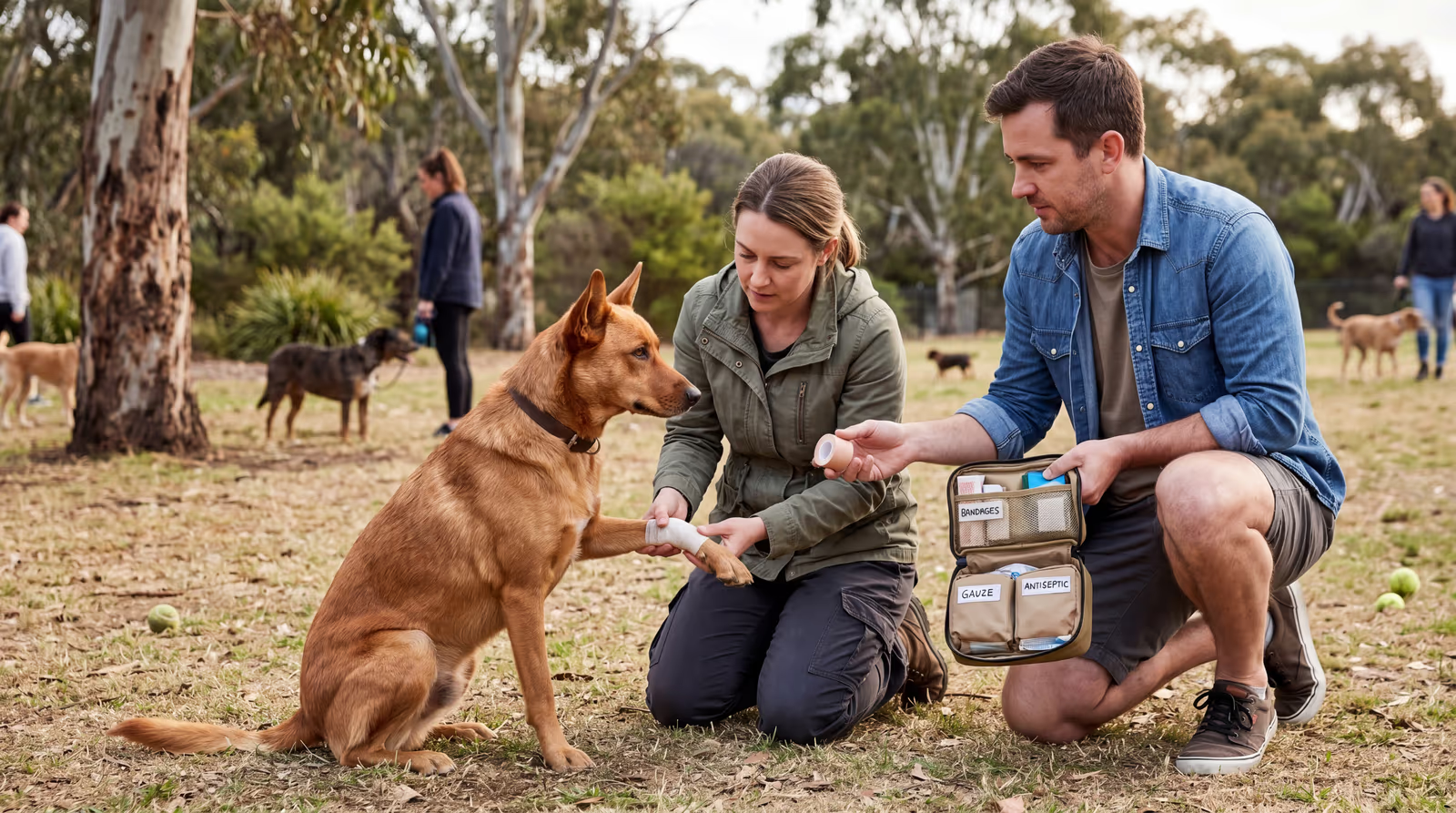
A compact kit in your car or bag handles the large majority of park mishaps. Good dog park first aid starts with:
- A clean towel (for pressure, warmth, or carrying a small dog)
- Gauze and non-stick dressings plus a self-adhesive bandage (vet wrap)
- Blunt-tipped scissors, tweezers, and a tick remover
- Antiseptic wipes and saline for flushing wounds
- A spare leash and a soft muzzle
- A bottle of water (for drinking, cooling, or flushing)
- A card with your vet’s and the nearest emergency vet’s phone numbers and hours
Add any medication your dog needs and a small flashlight. It’s also worth saving the ASPCA Animal Poison Control number (888-426-4435) in your phone, since dogs eat things they shouldn’t. Restock the kit after each use and check expiry dates twice a year.
Dog Park First Aid for Cuts, Bites & Bleeding
Cuts, torn pads, and puncture bites are the most common park injuries. The first move is always the same: stay calm, leash your dog, and move them away from other dogs before you assess anything. A hurt dog is a scared dog, and even the gentlest one may snap, so handle gently and use a muzzle if needed.
For bleeding, apply firm, direct pressure with a clean towel or gauze and hold it — most bleeding slows within a few minutes. Don’t keep lifting the dressing to peek. For minor cuts and grazes, flush with saline or clean water and cover. Puncture wounds from bites are deceptive: they look small but can be deep and prone to infection, so clean them, cover them, and get them checked by a vet even if they seem minor. Note the other dog’s owner and vaccination status for any bite. Keep your dog quiet and warm on the way in.
Dog Park First Aid for Heatstroke, Choking & Collapse
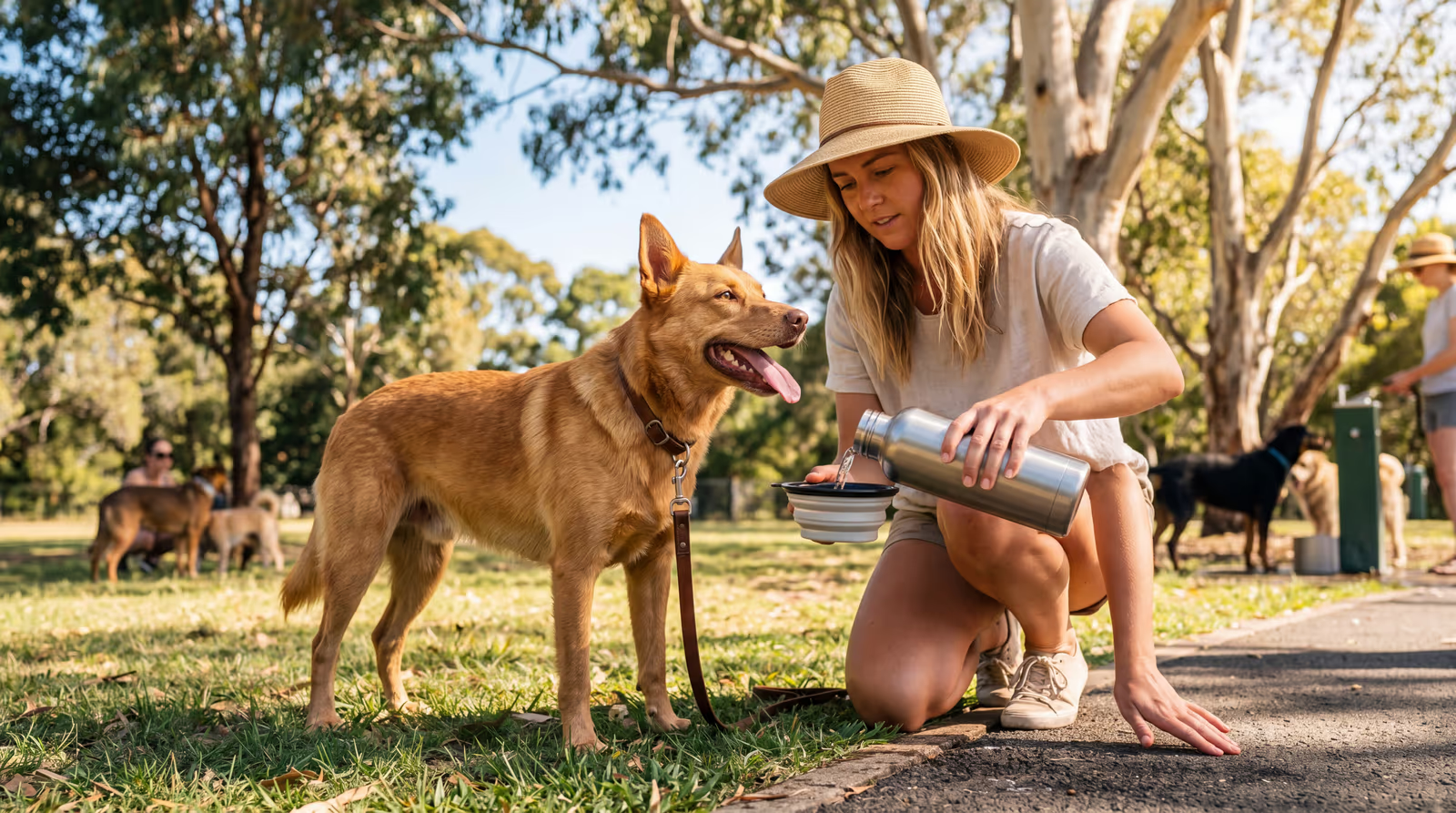
The scariest emergencies need fast, confident action. Heatstroke is a real risk on warm days — signs include frantic panting, a bright-red or pale tongue, drooling, wobbliness, vomiting, or collapse. Move the dog to shade immediately, offer cool (not ice-cold) water, and wet the belly, paws, and ears with cool water while you head to the vet. Heatstroke is a true emergency; our summer safety guide covers prevention in depth.
For choking, look in the mouth and remove a visible object only if you can do so safely; for a small dog, hold them with the head down and give firm back blows between the shoulder blades, and for a larger dog, a Heimlich-style abdominal thrust may help — then go to the vet. For collapse, unconsciousness, suspected snake bite, or difficulty breathing, this is a drop-everything emergency: keep the dog calm and still, carry rather than walk them if you can, and get to a clinic immediately. Knowing your nearest 24-hour emergency vet before a crisis saves precious minutes.
When Dog Park First Aid Means a Vet Visit
The hardest part of dog park first aid is knowing when home care isn’t enough. Go straight to a vet for any of these:
- Heavy or uncontrolled bleeding
- Difficulty breathing, choking, or collapse
- Suspected heatstroke or snake bite
- Deep wounds, puncture bites, or anything to the eye
- Suspected broken bones or a dog that won’t bear weight
- Vomiting, disorientation, or any rapid deterioration
- Bloated, hard abdomen with retching (possible bloat — a life-threatening emergency)
When you’re unsure, call. Emergency vets would far rather hear from a worried owner than see a dog arrive too late. A quick phone call describing the symptoms will tell you whether to monitor at home or come straight in.
Dog Park First Aid: Quick-Reference Emergency Guide
When something goes wrong, you won’t have time to read — so here’s the at-a-glance version to commit to memory:
| Emergency | First action | Then |
|---|---|---|
| Bleeding | Firm, direct pressure with clean towel/gauze; hold, don’t peek | Vet for heavy/uncontrolled bleeding or deep wounds |
| Bite/puncture wound | Move away, muzzle if needed, flush and cover | Vet even if it looks minor — high infection risk |
| Heatstroke | Shade; cool (not icy) water on belly/paws/ears | Vet immediately — true emergency |
| Choking | Check mouth, remove visible object if safe; back blows | Vet immediately |
| Collapse / unconsciousness | Keep calm and still; carry, don’t walk | Vet immediately |
| Suspected snake bite | Keep dog calm and still; limit movement | Vet immediately — do not cut or suction |
| Broken bone / won’t bear weight | Restrict movement; improvise support | Vet promptly |
| Bloat (hard, distended belly, retching) | Don’t delay | Vet immediately — life-threatening |
The pattern is consistent: stabilize, keep calm, and transport. A few core principles apply to nearly every park emergency. First, safety before first aid — leash and move your dog away from other dogs before you treat anything. Second, a hurt dog may bite, so handle gently and muzzle if needed (never if breathing is compromised or the dog is overheating). Third, call ahead to the clinic so they’re ready when you arrive. And fourth, stay calm yourself — your dog reads your energy, and panic helps no one. Keeping these reflexes sharp turns a frightening moment into a managed one.
Preventing Dog Park Emergencies in the First Place
The best dog park first aid is the emergency that never happens. Supervise actively and step in before play turns rough (our dog park etiquette guide explains the warning signs), bring your own water to avoid overheating and shared-bowl bugs, check your dog over for cuts and ticks after every visit, and avoid the park on dangerously hot days. Keeping vaccinations and parasite prevention current heads off many of the health risks dog parks carry. A little prevention, plus a kit in the car, means most park days end with a happy, tired dog instead of a trip to the clinic.
CPR and the Recovery Position: The Basics
It’s rare, but knowing what to do if a dog stops breathing can save a life while you race to the vet. This is no substitute for a hands-on pet first-aid course (well worth taking), but the basics are worth carrying in your head.
If a dog collapses and isn’t breathing, check the airway for any obstruction and remove it if you can do so safely. For rescue breaths, close the dog’s mouth, extend the neck to straighten the airway, and breathe into the nose with enough force to see the chest rise — about one breath every few seconds. For chest compressions, lay a medium or large dog on its side and compress the widest part of the chest about a third of its depth at a rate of roughly 100–120 per minute (for a small dog, you can compress with one hand or even cupped around the chest). Alternate compressions and breaths and keep going while someone drives to the clinic — CPR is a bridge to veterinary care, not a cure.
For a dog who is unconscious but breathing, the recovery position — lying on its side with the head and neck gently extended — keeps the airway clear while you transport. Keep them warm with a towel, monitor breathing, and head straight to the vet. Even if your dog seems to recover, any collapse warrants an immediate veterinary check, because the underlying cause (heatstroke, poisoning, a cardiac event) still needs treatment. Taking a Red Cross or local pet first-aid class once turns this from theory into something your hands remember under pressure.
Frequently asked questions
What should be in a dog first aid kit for the park?
A good dog park first aid kit holds a clean towel, gauze and non-stick dressings, a self-adhesive bandage, blunt scissors, tweezers and a tick remover, antiseptic wipes, a spare leash and a muzzle, a bottle of water, and your vet’s and the nearest emergency vet’s phone numbers. A small kit in the car covers most park mishaps.
What do I do if my dog is injured at the dog park?
Stay calm, leash your dog and move them away from other dogs, then assess the injury. Control any bleeding with firm pressure, keep your dog quiet, and call your vet for advice or head straight in for anything serious. Even a friendly dog may snap when in pain, so handle them gently and consider a muzzle if needed.
When is a dog park injury an emergency?
Treat it as an emergency and go straight to a vet for heavy or uncontrolled bleeding, difficulty breathing, collapse or unconsciousness, suspected heatstroke or snake bite, deep wounds or puncture bites, suspected broken bones, choking, or any rapid deterioration. When in doubt, call your nearest emergency vet.
Should I muzzle an injured dog?
Often yes. Pain and fear can make even the gentlest dog snap, so a soft muzzle (or an improvised one with a bandage, if your dog can still breathe and isn’t overheating or vomiting) protects you while you help them. Never muzzle a dog who is struggling to breathe, overheating, or being sick.
Be ready before you need to be
Dog park first aid comes down to preparation and a clear head: a kit in the car, your emergency vet’s number saved, and the confidence to tell a minor scrape from a real emergency. You’ll rarely need it — but on the day you do, knowing how to control bleeding, cool an overheating dog, and recognize a crisis can save your dog’s life. Pack the kit, learn the signs, and enjoy the park knowing you’re ready for whatever the day brings.
Find a dog park near you on Dog Park Finder USA →, with fencing status, photos, and reviews, or open the live map to find the closest one right now.
Compare nearby dog parks before you leave
Open the directory to check fenced status, reviews, photos, map distance, and local park details across the USA.
Keep reading
Summer Dog Park Safety (2026): Beat the Heat and Keep Your Dog Safe
A guide to summer dog park safety in the US, avoiding heatstroke and hot pavement, hydration, the best times to visit, and the warning signs every owner must know.
Snake Safety for Dogs at US Parks (2026): A Survival Guide
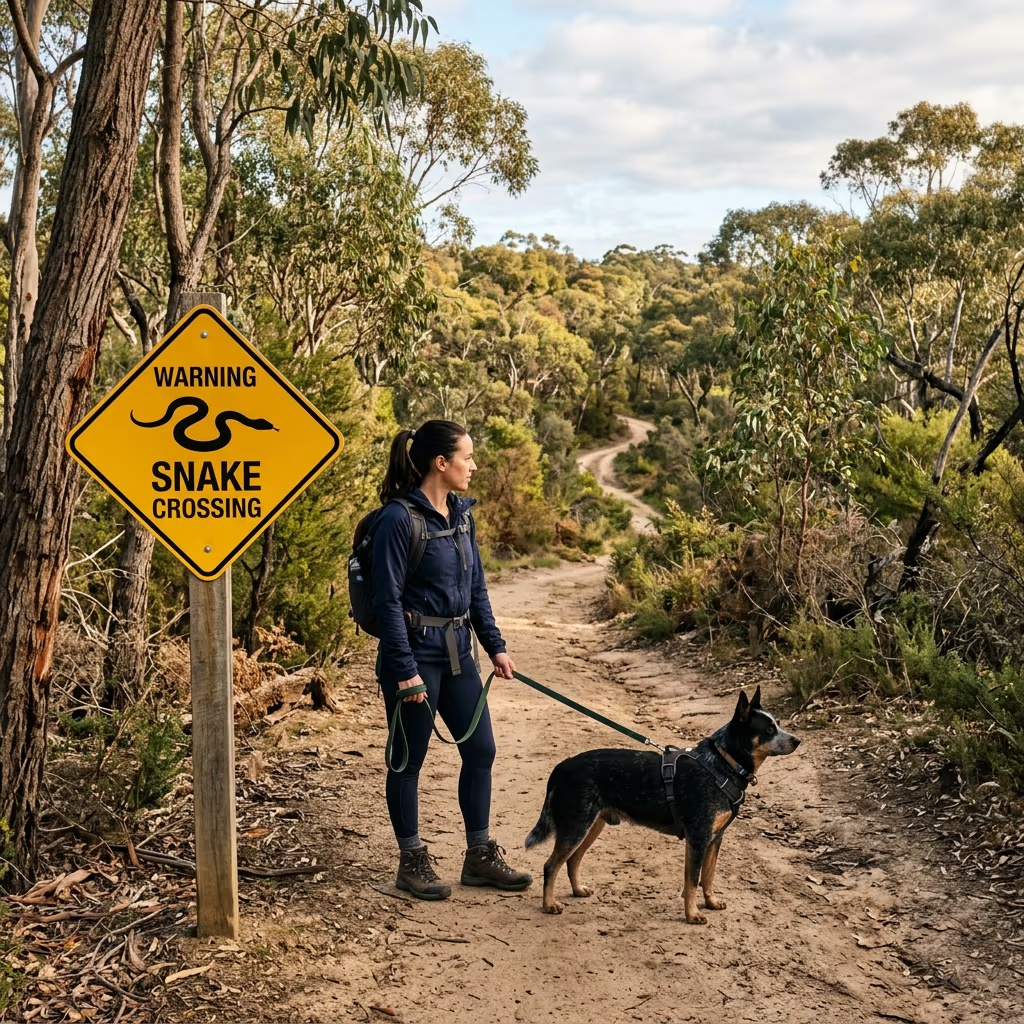
A guide to snake safety for dogs at US parks, where and when rattlesnakes and other snakes are active, how to avoid them, the signs of a snake bite, and what to do.