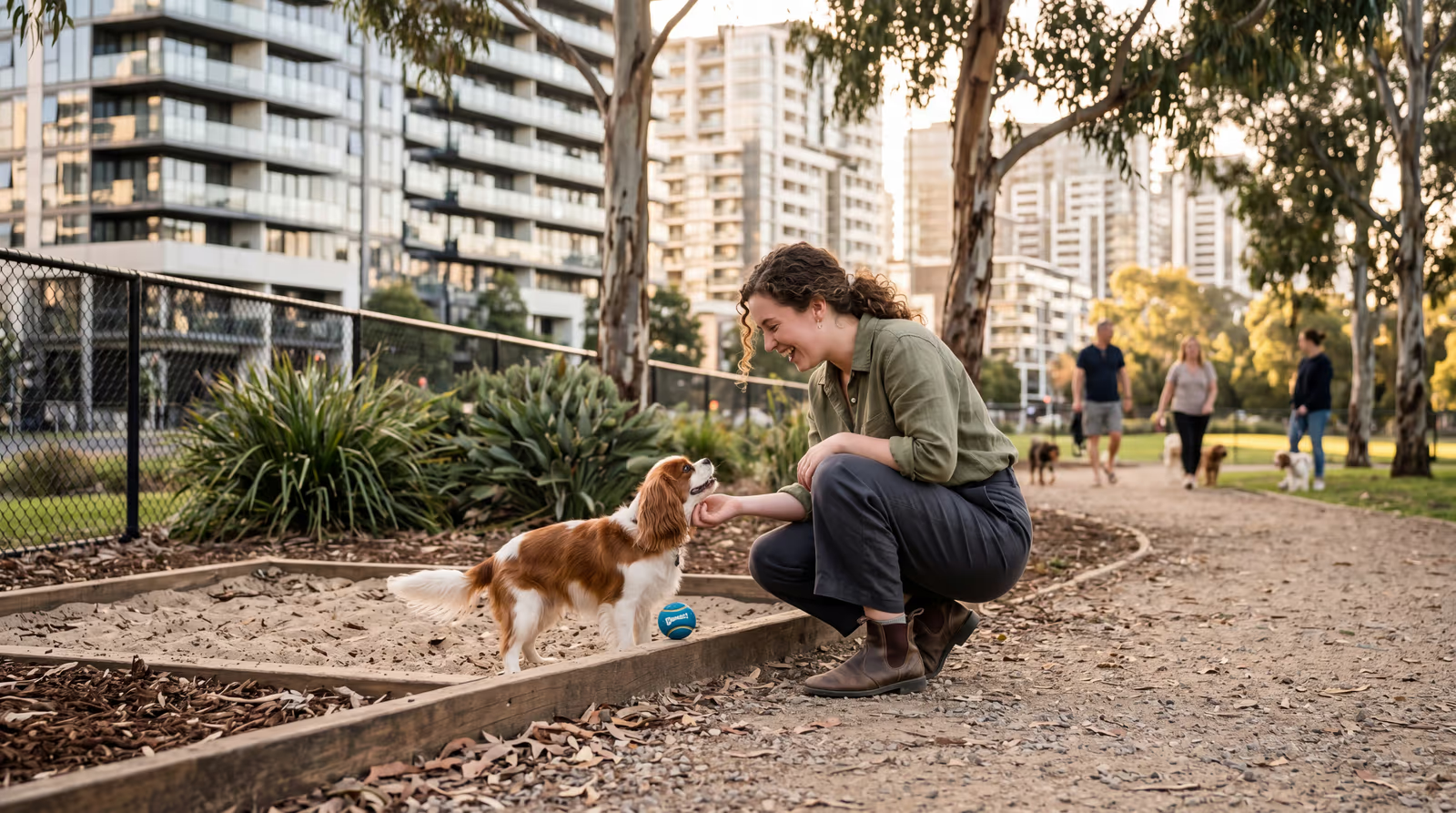
Apartment Dogs and Dog Parks (2026): Exercise, Routines and Tips
A guide to keeping apartment dogs happy with dog parks — why off-leash time matters, building a routine, the best apartment-friendly breeds, and enrichment between visits.
Apartment dogs can be every bit as happy and well-balanced as dogs with a big backyard — they just rely more on you to meet their needs outside the front door. For apartment dogs, a good dog park routine is one of the most valuable tools you have: a place to burn energy, socialize, and decompress that four walls simply can’t provide. This guide covers why off-leash time matters so much for apartment dogs, how to build a routine, the breeds that adapt best, and how to keep a dog satisfied between visits.
Looking for a park near home? Browse the directory and filter for fenced parks, or open the live map to find one in your neighborhood. If your local run isn’t listed yet, you can add it in seconds.
Apartment Dogs: Why Dog Parks Matter
Without a yard, apartment dogs get most of their exercise on your schedule, and leashed walks alone often aren’t enough for a dog to truly stretch out and run. A dog park fills three needs at once: physical exercise (a real sprint, not just a stroll), socialization with other dogs, and mental enrichment from a flood of new sights and smells. Together these head off the boredom and pent-up energy that drive so many apartment-living headaches — barking, chewing, and restlessness.
That’s not to say the park is the only answer; plenty of apartment dogs thrive on long walks, playdates, and enrichment alone. But for higher-energy dogs especially, a regular off-leash outing makes apartment life dramatically easier on both ends of the leash. The American Kennel Club’s advice on apartment living with dogs echoes the point: it’s meeting the dog’s needs, not the square footage, that matters most.
How Much Exercise Apartment Dogs Need
Most apartment dogs need one to two hours of activity a day, though it varies widely by breed and age — a young working breed may need far more, a senior or a mellow companion breed far less. The key is to split it across physical and mental exercise: a walk or two, some off-leash running at the park, and brain work at home. The AVMA’s guidance on pet wellness and exercise underscores that consistent daily activity supports both physical and behavioral health.
A reliable rhythm beats an occasional marathon. A morning walk, a midday potty break or enrichment session, and an evening park visit or longer walk keeps an apartment dog evenly satisfied. Watch your individual dog: a dog that settles calmly at home is getting enough; a dog that’s destructive, vocal, or “bouncing off the walls” usually needs more — often more mental stimulation as much as physical.
The Best Breeds for Apartment Dogs
Almost any breed can live in an apartment if its needs are met, but some adapt more easily. Surprisingly, several large breeds make excellent apartment dogs — greyhounds are famous couch potatoes, and whippets and great Danes are calm indoors. Among smaller dogs, cavaliers, French bulldogs, pugs, and bichons tend to be adaptable, while many terriers and herding breeds, though small or medium, are high-drive and need serious daily exercise to be content in a flat.
The real predictors are energy level and temperament, not size. A low-key giant can be easier in an apartment than a busy little terrier. And countless rescue mixes make wonderful apartment dogs — meeting an adult dog lets you see their actual energy and noise level, which matters more than any breed label. Whatever the breed, a dog whose exercise and enrichment needs are met will settle beautifully in a small space.
Enrichment for Apartment Dogs Between Park Visits
The park can’t be every day, and that’s where enrichment earns its keep — mental work tires a dog as effectively as a run, and it’s ideal for rainy days and busy schedules. Easy options for apartment dogs:
- Snuffle mats and food puzzles that make your dog work for meals
- Scent games — hide treats around the room and let your dog “find it”
- Short training sessions (new tricks, impulse-control games)
- Chews and lick mats for calm, self-soothing downtime
- A stuffed, frozen food toy to occupy a dog while you work
The ASPCA’s enrichment ideas are a great starting point. Rotate the activities to keep them novel, and pair them with the park routine: physical exercise and brain work together produce the calm, contented apartment dog every city owner wants. For the broader wellbeing picture, see our guide to dog parks and mental health.
A Sample Daily Routine for an Apartment Dog
Apartment dogs thrive on rhythm, and a predictable routine prevents the boredom that drives barking and chewing. Here’s a realistic template you can adapt to your dog’s energy and your schedule:
- Morning (20–40 min): A brisk walk for a proper toilet break and to take the edge off. For higher-energy dogs, make this the longer outing or a quick park stop.
- Midday (10–20 min): A toilet break plus a short enrichment activity — a snuffle mat, a food puzzle, or a few minutes of training. A dog walker or a lunchtime visit covers this if you’re out.
- Late afternoon / evening (45–60 min): The main event — a dog park session for off-leash running and socializing, or a long, sniffy walk. This is where most of the day’s energy gets burned.
- Night (10–15 min): A final toilet break and a calm wind-down: a chew, a lick mat, or a quiet cuddle to settle for sleep.
The exact timings matter less than the consistency. A dog who knows roughly when the good stuff happens is a calmer, more settled dog the rest of the day. On days the park isn’t possible, double up on enrichment and a longer walk.
Signs Your Apartment Dog Needs More Exercise
Your dog will tell you when the routine isn’t enough. Watch for these signals:
- Destructive chewing of furniture, shoes, or door frames
- Excessive barking or whining, especially when left alone
- Restlessness or pacing in the evenings
- Zoomies that feel frantic rather than playful
- Difficulty settling even after a meal
- Attention-seeking or “naughty” behavior that’s really a bid for stimulation
Nearly always, the answer is more — and more varied — activity, with mental enrichment weighted as heavily as physical exercise. A dog that’s genuinely satisfied, body and brain, is quiet, relaxed, and easy to live with in even a small apartment. If you’ve ruled out a medical cause and the behavior persists despite a full routine, a certified trainer or behaviorist can help fine-tune the plan.
Best Enrichment Toys and Games for Apartment Dogs
Because the park can’t be every day, the right indoor enrichment is what keeps an apartment dog sane between outings — and it’s quiet enough to keep the neighbors happy. A few favorites that punch above their weight:
- Snuffle mats and lick mats: A snuffle mat hides kibble in fabric folds so your dog “forages,” engaging the nose and the brain; a lick mat smeared with something tasty is wonderfully calming.
- Food puzzles and treat-dispensing toys: Adjustable-difficulty puzzles and rolling treat dispensers make your dog work for a meal, turning five minutes of food into twenty minutes of focus.
- Frozen stuffed toys: Stuff a rubber toy with wet food or a kibble-and-broth mix and freeze it; it occupies a dog for ages and is perfect to hand over before you leave for work.
- Scent games: Hide treats around the apartment and cue “find it.” Scent work is mentally exhausting in the best way and needs almost no space.
- Short training sessions: Five minutes of teaching a new trick or practicing impulse control tires a dog and strengthens your bond.
- A rotating toy box: Keep most toys put away and swap a few out each week so they feel new again.
The golden rule of apartment enrichment is variety plus rotation — novelty is half the value, so changing things up keeps your dog engaged. Pair a couple of these daily with the walk-and-park routine above, and even a high-energy dog stays calm and content in a small space. Mental work genuinely tires a dog as effectively as a run, which is exactly why it’s the apartment owner’s secret weapon on rainy days and busy weeks.
Frequently asked questions
Are dog parks important for apartment dogs?
Yes — for apartment dogs without a backyard, regular off-leash time at a dog park is one of the best ways to burn energy, socialize, and decompress. It’s not the only option, but a good park routine makes apartment life far easier on both dog and owner, especially for higher-energy breeds.
How much exercise does an apartment dog need?
It depends on the breed and age, but most apartment dogs need at least one to two hours of activity a day, split across walks, off-leash running, and mental enrichment. A tired dog is a happy, well-behaved apartment dog, and physical exercise should always be paired with brain work.
What are the best dog breeds for apartments?
Many breeds suit apartments if their needs are met, but easygoing, lower-energy, or adaptable breeds tend to do best — think greyhounds (surprisingly couch-loving), cavaliers, French bulldogs, whippets, and many small breeds, plus countless wonderful rescue mixes. Temperament and exercise matter more than size alone.
How do I tire out a dog that lives in an apartment?
Combine physical and mental exercise: a daily walk or two, regular off-leash park time, and brain work like snuffle mats, food puzzles, training games, and scent work at home. Mental stimulation tires a dog as effectively as a long run, and it’s perfect for rainy days indoors.
Make apartment life great for your dog
Apartment dogs don’t need a yard to thrive — they need a routine, and a good dog park is the cornerstone of it. Pair regular off-leash time with daily walks and a little enrichment, match the activity to your dog’s energy, and you’ll have a calm, contented companion who’s a joy to live with in any size of home. The square footage matters far less than the rhythm of exercise, socialization, and brain work you build into the week. Get that rhythm right and your dog won’t just cope with apartment life — they’ll genuinely thrive in it, every bit as content as a dog with the biggest backyard on the block.
Find a dog park near your apartment on Dog Park Finder USA →, with fencing status, photos, and reviews, or open the live map to find the closest one right now.
Compare nearby dog parks before you leave
Open the directory to check fenced status, reviews, photos, map distance, and local park details across the USA.
Keep reading
The Best Dog Parks for Small Dogs (2026): A Safe Owner's Guide
How to choose the best dog parks for small dogs — what to look for, small-dog areas, staying safe around bigger dogs, the best times to visit, and tips for nervous little dogs.
Off-Leash for Greyhounds in the USA (2026): Rules, Recall and Safety
A guide to off-leash life for greyhounds in the US, muzzles and leash laws, whether greyhounds can go to dog parks, managing prey drive and recall, and safer options.
Dog Park Mental Health: Benefits for Dogs and Owners (2026)
How dog parks benefit mental health — for dogs through enrichment and socialization, and for owners through exercise, social connection, routine, and the human-dog bond.