
Dog Park Rules in the USA: A State-by-State Guide (2026)
Dog park and off-leash rules across the US, how leash laws work state by state, what 'voice control' means, licensing and rabies requirements, and how local ordinances differ.
Dog laws in the US can be confusing, because there’s no single national rule — leash laws are set by your state, county, and city, and the details change from one town to the next. The good news is that the core principles are remarkably similar across the country. This state-by-state guide explains the dog park rules in the US, what “voice control” really means, and where to find the specifics for your area.
Looking for a park? Browse the directory to find an off-leash area near you, or open the live map.
The universal rules
Wherever you are in the US, these principles apply:
- On-leash is the default in public. Dogs must be leashed unless they’re in a designated off-leash area.
- Control is required, even off-leash — your dog must respond to you and stay clear of others.
- Designated areas and signage rule. Off-leash zones, on-leash sections, prohibited areas, and posted hours are set locally and shown on signs.
- You must pick up after your dog, everywhere.
- Rabies vaccination and licensing are legal requirements in most jurisdictions.
What changes between states is the name of the law and some of the detail, so here’s the breakdown.
What “voice control” means
“Voice control” (sometimes “voice and sight control”) is the phrase at the heart of off-leash rules, and it’s worth understanding. It means your dog reliably responds to your commands and stays close — coming when called, and keeping away from other people, dogs, wildlife, and no-go zones. A dog that bolts off, ignores you, or charges other dogs is not under control, even in an off-leash park, and you can be cited. In short: off-leash freedom is earned through training, especially recall.
State-by-state breakdown
There is no federal leash law. Each state sets a broad framework — usually rabies and “dangerous dog” rules — while the leash and off-leash specifics live in county and city ordinances.
California
California requires rabies vaccination by state law and leaves leash rules to local agencies; most cities and counties require dogs to be leashed in public except in designated off-leash areas. Many California cities (including Los Angeles) also require licensing and microchipping. See our Los Angeles and San Diego dog park guides for local spots.
Texas
Texas has no statewide leash law, but “dog at large” rules and rabies vaccination are enforced, and cities like Houston, Austin, and Dallas set their own leash ordinances and off-leash parks. See our Houston, Austin, and Dallas guides.
New York
New York City requires dogs to be leashed (six feet or less) in public, with off-leash hours in many parks from opening until 9 a.m. and after 9 p.m., plus dedicated dog runs. Licensing is required citywide. Our New York dog parks guide covers the runs.
Florida
Florida leaves leash rules to counties and cities, most of which require leashing outside designated areas, plus county licensing and rabies vaccination. Beaches have their own dog rules and seasonal hours. See our Miami and Jacksonville guides.
Illinois
Chicago requires dogs to be leashed in public and runs official, permit-based “Dog Friendly Areas” (DFAs) — owners need a permit tag showing current vaccinations. Our Chicago dog parks guide has the details.
Washington, Colorado, Arizona, and the rest
In Washington (Seattle), Colorado (Denver), and Arizona (Phoenix), leashing is the default with popular designated off-leash parks; some, like Seattle’s, require an off-leash permit. Wherever you are, the pattern holds: state law sets rabies and dangerous-dog rules, and your city or county sets the leash and off-leash specifics. Browse your state hub — Washington, Colorado, Arizona — to find local parks.
Off-leash mistakes that commonly get owners cited
Most citations come down to a handful of avoidable mistakes. The big ones:
- Off-leash outside a designated area. Letting your dog run “just for a minute” on an ordinary beach, sidewalk, or park that isn’t a designated off-leash area is the classic one. If there’s no off-leash sign, assume on-leash.
- A dog not under control. Even in an off-leash area, a dog that ignores recall, rushes people, or chases wildlife can land you a citation. Control is the price of freedom.
- Not picking up. Failing to clean up after your dog is an offense almost everywhere, and cities do enforce it.
- Ignoring posted hours. Many beaches and parks limit dogs during summer or certain hours; showing up at the wrong time is an easy and expensive slip.
- Prohibited zones. Playgrounds, athletic fields in use, school grounds, and food/picnic areas are typically off-limits.
- An unlicensed or unvaccinated dog. Cities and counties can and do fine owners whose dogs aren’t licensed or whose rabies shots have lapsed.
The fix for all of these is simple: read the signage, train a reliable recall, carry bags and a leash, and keep licensing and rabies current.
Why local ordinances matter more than state law
It’s worth repeating, because it trips people up: the state sets the framework, but your county and city decide the on-the-ground detail — which specific parks and beaches are off-leash, what hours apply, and how it’s all enforced. Two neighboring towns can have quite different rules. That’s exactly why the on-site signage, and your city or county animal services page, are the real source of truth — and why our directory lists the off-leash status park by park rather than relying on a single statewide rule.
Licensing, rabies, and microchipping
Separate from the off-leash rules, most US cities and counties require you to license your dog annually, and nearly every state requires rabies vaccination by law. Microchipping isn’t required everywhere, but a growing number of cities (such as Los Angeles) mandate it, and it’s strongly recommended everywhere so a lost dog can be reunited with you quickly. For a full breakdown, see our guide to dog licensing requirements in the US.
A note on breed laws
Some cities and counties have breed-specific legislation (BSL) — most often restrictions on “pit bull–type” dogs — while several states prohibit BSL entirely and leave it to owners and courts to address individual dangerous dogs. If you’re traveling or moving, check the local ordinance, since a breed that’s unrestricted at home may face rules elsewhere.
Frequently asked questions
What does “voice control” mean for dogs?
Voice control means your dog responds reliably to your commands and stays close, even off-leash — coming when called and keeping away from other people, dogs, wildlife, and prohibited areas. Many US off-leash areas require it. If your dog ignores you around distractions, they’re not under voice control and you can be cited.
Are dogs allowed off-leash everywhere in a dog park?
No. Even within a park, off-leash access is usually limited to the designated off-leash area, with on-leash sections and prohibited zones like playgrounds and athletic fields in use. Some areas also have posted hours. Always read the on-site signage, which sets the exact rules for that location.
Do I have to license my dog in the US?
In most places, yes. The majority of US cities and counties require an annual dog license, usually tied to a current rabies vaccination, which is itself required by law in nearly every state. Rules and fees are set locally, so check your city or county animal services. See our guide to US dog licensing requirements for details.
What are the penalties for breaking dog off-leash rules?
Fines vary by city and county but are real — citations commonly apply for a dog off-leash outside a designated area, failing to pick up after your dog, or a dog not under control. Always check your local ordinance, since cities and counties administer and enforce the on-the-ground details.
Know the rules, enjoy the freedom
The thread running through every state is the same: keep your dog leashed unless you’re in a designated off-leash area, keep them under genuine control, read the signage, and clean up. Get those right and you and your dog can enjoy the country’s huge network of off-leash parks and beaches with confidence.
Find a designated off-leash area near you on Dog Park Finder USA →, with off-leash zones, fencing status, and reviews, or open the live map.
Compare nearby dog parks before you leave
Open the directory to check fenced status, reviews, photos, map distance, and local park details across the USA.
Keep reading
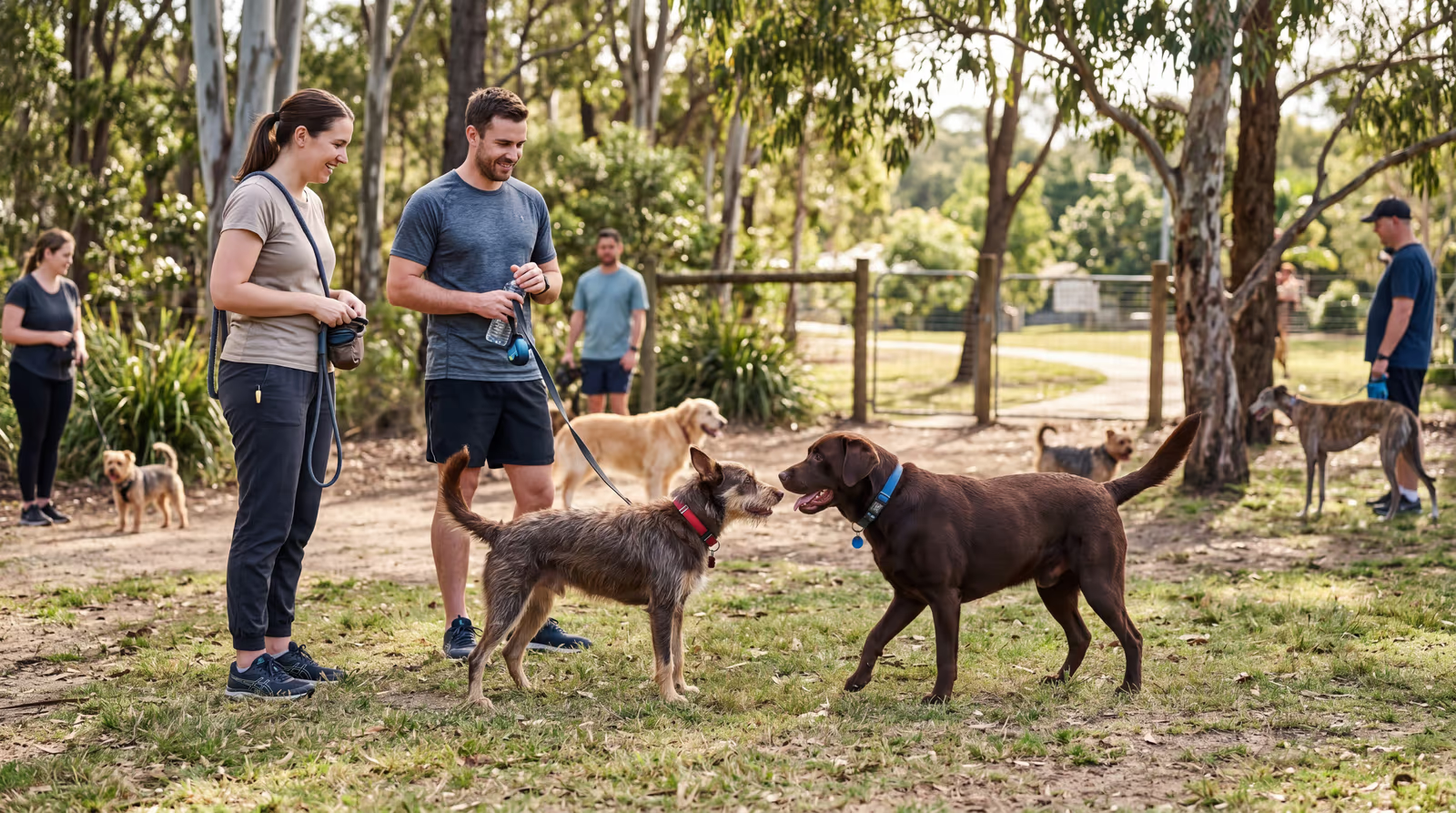
Dog Park Etiquette: 12 Unwritten Rules Every Owner Should Know (2026)
A practical guide to dog park etiquette — the unwritten rules, how to read dog body language, what to bring, and the mistakes to avoid for a safe, friendly visit.
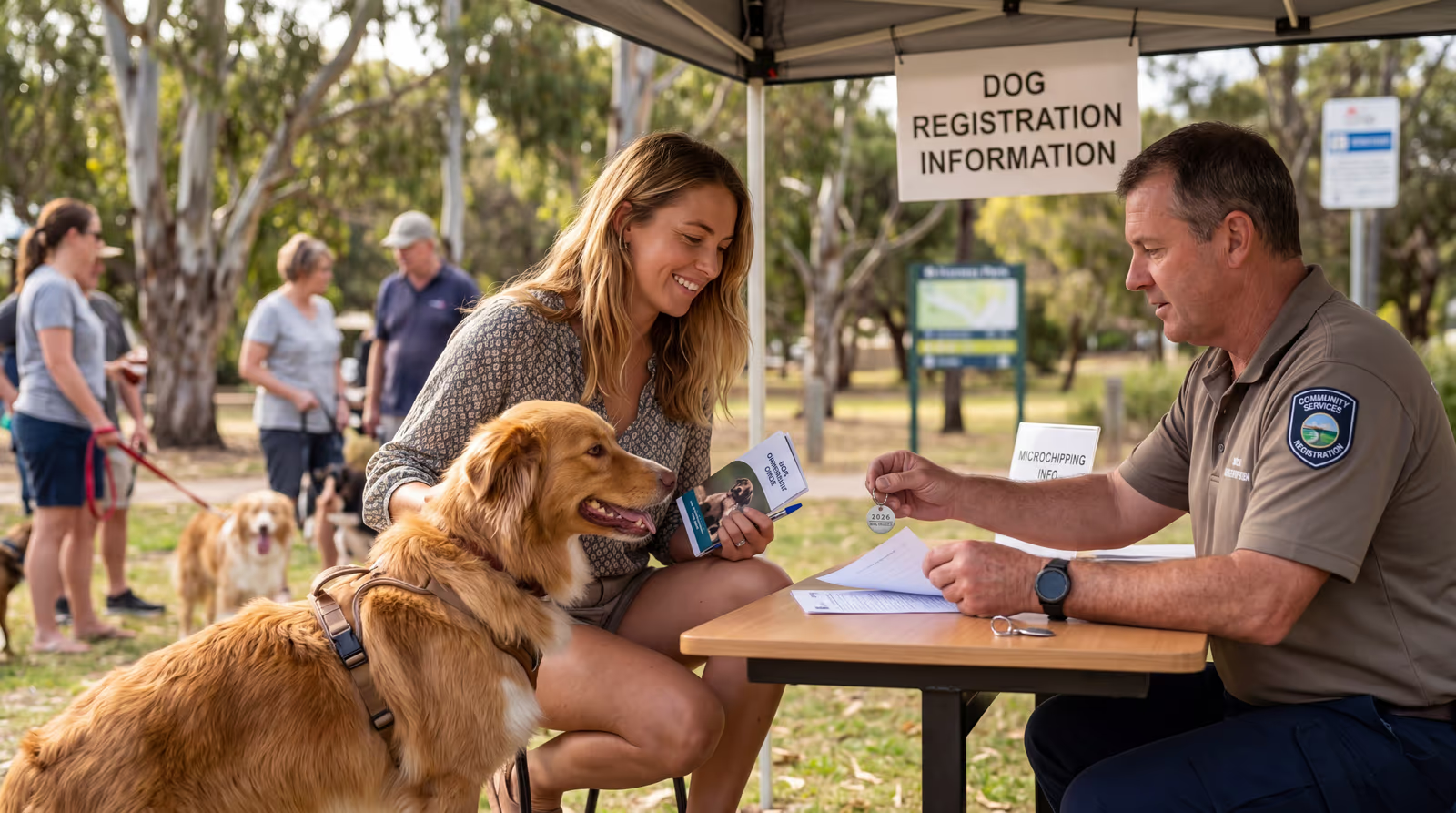
Dog Licensing Requirements in the USA (2026): A State-by-State Guide
A clear guide to dog licensing requirements in the US, why you must license and vaccinate your dog, how it works by state and city, costs, discounts, and penalties.